A recent study suggests that an Alzheimer’s disease-related protein could explain why specific neurons die first.
Alzheimer’s disease: What’s causing some of our neurons to die?

Breaking down the brain for everyone to understand
A recent study suggests that an Alzheimer’s disease-related protein could explain why specific neurons die first.

Can activity of the immune system explain the link between depression and autoimmune disorders?

Brain fog is a common symptom of Chronic Fatigue Syndrome but what causes altered brain function, and could this be happening in patients infected with COVID-19?

To learn about how we recognize faces, neuroscientists study the most and least skilled face recognizers.

How does stress affect the health and function of your gut?

For the first time, researchers can study auditory hallucinations in mice

Searching for clues to diagnose problems in the brain

Loss of one type of neuron can throw sleep transitions into chaos
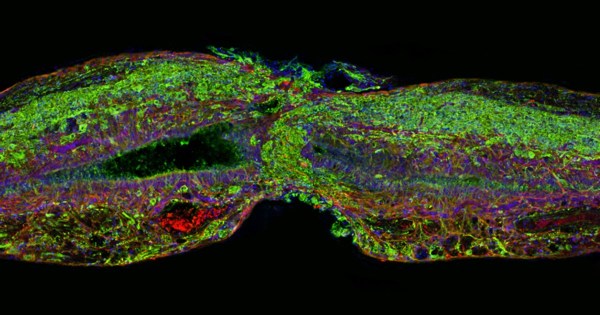
A hyperactive form of an immune molecule helped neurons regenerate their connections after injury

What is post-concussion syndrome and what causes it? We’re still not sure.
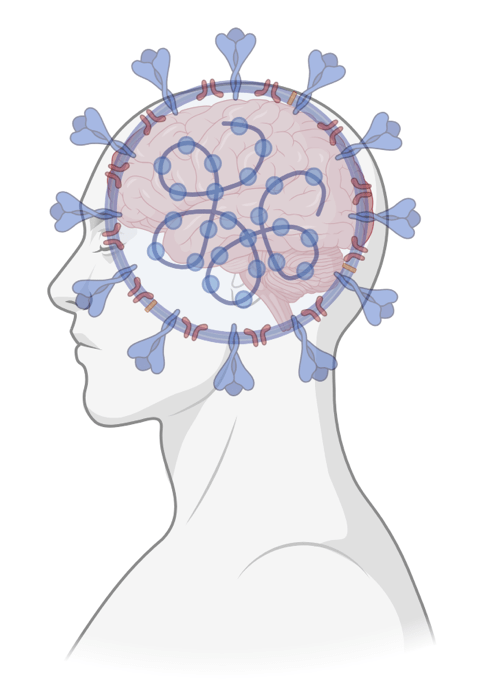
Summarizing the latest work on how SARS-CoV-2 affects the nervous system

Some people are sad that winter is here, but others have S.A.D.- Seasonal Affective Disorder

The nervous system is constantly regulating many important processes in the body, all without us having to consciously think about it. How does it do this, and what happens when things go wrong?

How can scientists and health professionals harness the power of music for more than just dancing?

A peek into the mechanisms and treatments for Attention-Deficit/Hyperactivity Disorder (ADHD)
How scientists transferred the cognitive benefits of exercise to aged mice…without having to work out
Tick season is here, and so is the potential for Lyme disease
What we know (and don’t know) about how the novel coronavirus affects the nervous system

A new study may help us understand how nighttime light exposure leads to behavior changes

Many types of brain injury and disease, including autoimmune encephalitis, can cause a language disorder named aphasia that affects at least 2 million Americans

Huntington’s disease ravages the brain, but exciting new therapies offer hope for the future

What causes someone to lose the sense of smell?
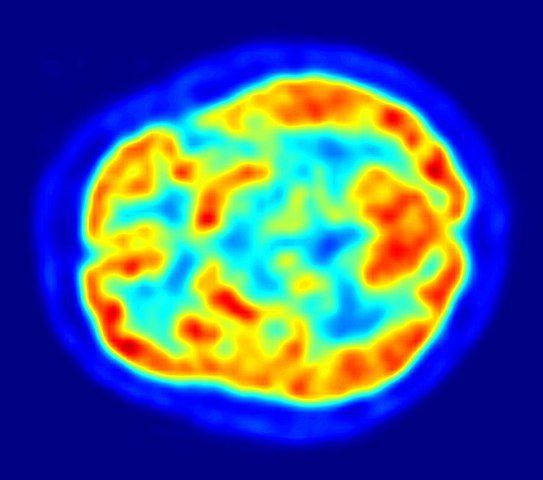
For a difficult-to-diagnose disease, PET imaging may offer better insight than MRI

Parkinson’s disease and the GI tract have more in common than you might think

A psychedelic drug may be a therapeutic breakthrough
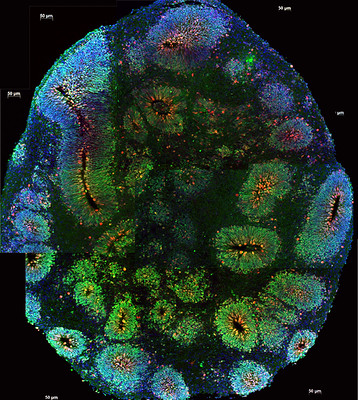
Developing organoids from a patient’s brain tumor may help to understand how to treat them

Research finds that learning to speak more than one language, especially as a child, leads to long-lasting cognitive benefits.
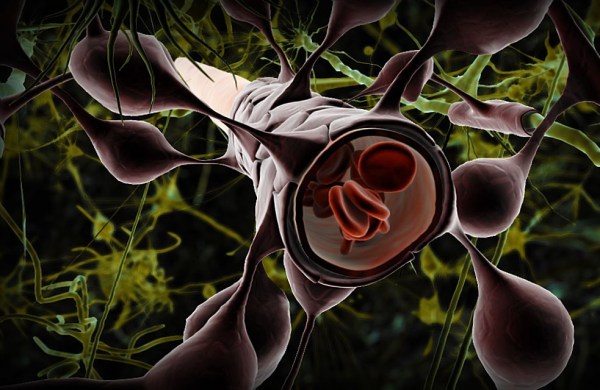
The blood-brain barrier plays a critical role in protecting the brain. However, sleep loss can lower its defenses, increasing the vulnerability of the brain.

How does the immune system work, and what happens when it attacks the brain?

New study reveals how a certain protein plays a role in both nicotine addiction and type II diabetes
 PennNeuroKnow