Lower oxygen at high altitude poses a serious danger to climbers, but some populations have adapted to thrive in these conditions. What differences in the brain and body confer protection to inhabitants of these harsh environments?

The missing community in the link between hearing loss and dementia
Acquiring hearing loss later in life is one of the strongest risk factors for dementia, a condition that affects cognitive abilities, like memory, in aging adults. Yet as researchers attempt to understand this connection, one overlooked community could provide new insights: early-deafened people.
Use it or lose it: How a lifetime of challenging our brains may slow the onset of dementia symptoms
Not everyone whose brain shows physical changes associated with dementia experiences symptoms. Some scientists believe that a lifetime of keeping our minds active may make our brains more adaptable, helping to slow the onset of dementia symptoms even after physical brain changes have begun.
Trust you gut: How your favorite protein source may contribute to Parkinson’s disease
Staying healthy is about more than just eating from every food group on the food pyramid. Your diet may also play a role in your long-term brain health, including your risk of developing Parkinson’s disease.
This is your brain on drugs, but at different doses
Why does the same drug act so differently depending on the dose? The brain does not always respond in a simple “more drug, stronger effect” way. Neuroscientists have recently begun to explore that a micro-dose of a drug, in comparison to a high dose of the same drug, can produce a different but not necessarily milder effect on the brain. Understanding these distinct dose-dependent effects is a new approach to help shape strategies for treating psychiatric and neurological disorders.
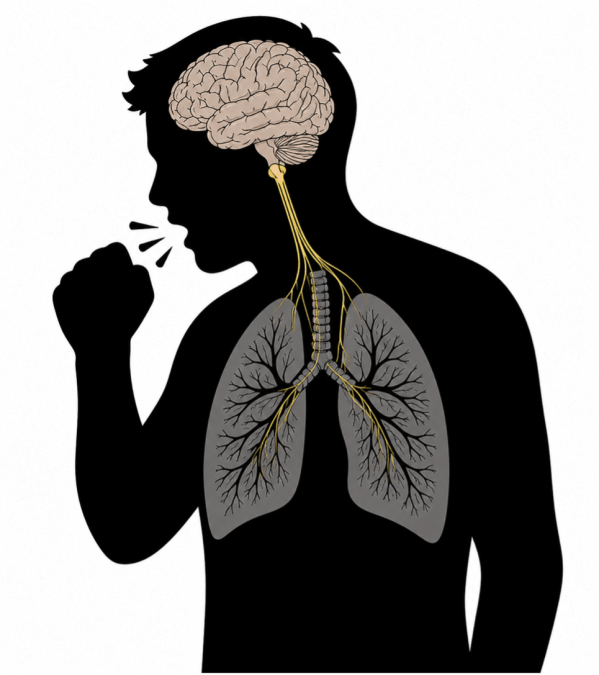
Ahem, ahem… Let me tell you about coughing
Ever had a stubborn cough? Wonder why it won’t just go away? Cure your curiosity and learn about why we cough, how the brain is involved, and how cough remedies work.
Pins and needles
Why do your limbs go numb or “fall asleep” after sitting in the wrong position?
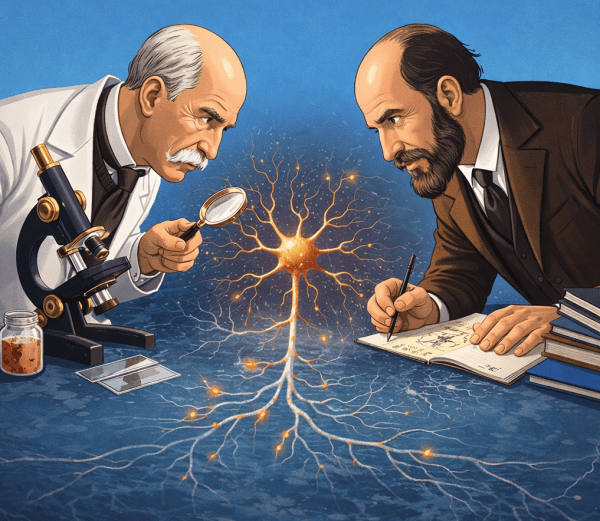
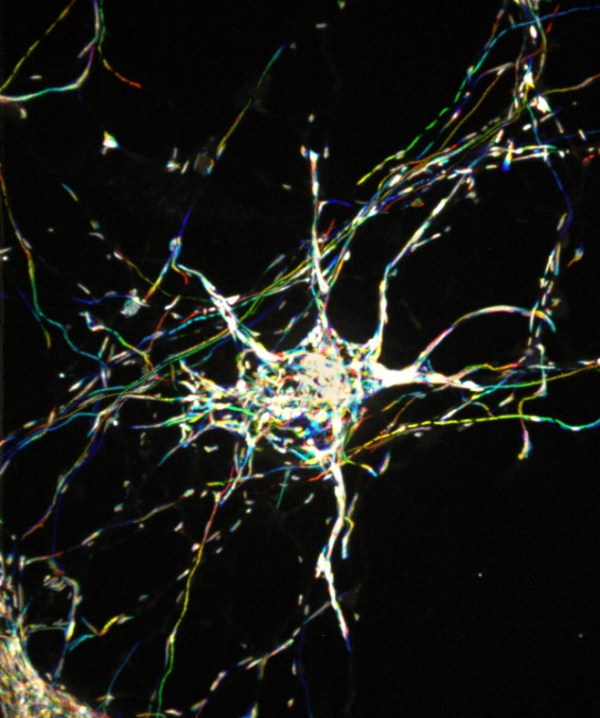
Tunnels between neurons: How dendritic nanotubes are reopening an age-old debate
Most neurons communicate by releasing chemicals across a small gap. But newly discovered tube-like structures are causing neuroscientists to reconsider whether direct connections between neurons may play a more important role than previously thought.
Cognitive aging and neurogenesis: Insights from SuperAgers
Age-related memory loss and cognitive decline are increasingly prevalent in our rapidly aging population. However, some “SuperAgers” seem to escape developing these deficits–but how? Studying the brains of SuperAgers is helping neuroscientists learn even more about our brains and how they age.
Driving you mad: Understanding the rabies virus
People have lived in fear of rabies for thousands of years, but it’s only recently we’ve started to learn how it works.
Thinking out loud: How inner speech can transform brain-computer interfaces
What if the voice in our heads had the potential to revolutionize communication for people with paralysis or progressive disease that affected their ability to speak? Recent research shows that inner speech can be decoded from brain activity, opening doors for more accessible communication technology, while also surfacing important concerns about protecting our private thoughts.
KIF1A: The neuron’s marathon runner
To function properly, neurons need supplies- but how do all these supplies make it from one end of a neuron to another? This article explores the incredible protein that gets the job done, aptly nicknamed your neuron’s marathon runner, and what happens when it malfunctions.
When insects lose their minds: The fascinating world of parasitic fungi
You might think mind control is the stuff of science fiction, but for many fungi it’s just what they do. Explore how parasitic fungi control the insects they infect.
The Salem Witch Trials: If not witchcraft, then what?
We’ve all heard stories detailing the Salem Witch Trials, but nobody can really explain where the symptoms shown by “victims of witchcraft” came from. Here, we unpack how popular medical explanations for this behavior affect the brain.
2025 Neuroscience Year in Review
Our writers share what got them excited about neuroscience in 2025.
The science and stigma behind premenstrual disorders
The idea that women are naturally predisposed to mental and emotional disturbances during “that time of month” dates back centuries. Is it biology or baloney? PMS or BS?
T cells in the immune system: Friend or foe?
T cells are a type of immune cell that defend your body against disease. While these mighty cells normally serve to protect you from foreign invaders, what happens if they turn on you?
The blood brain barrier and its Trojan Horses
Ever wonder what delivering drugs to the brain and Greek mythology have in common? If so, come check out this article on Trojan Horses in science!
Vaccines and autism: Let’s talk about it
The conversation around autism and vaccines has become an increasingly hot topic of late (to put it mildly), but did you know that this debate began over 25 years ago? Here is a brief overview of the history and the science around whether vaccines increase the risk of autism.
Mighty mitochondria, the powerhouses of your nervous system
Neurons require a lot of energy to keep your brain functioning, and this energy is overwhelmingly generated by certain cellular components: the mitochondria. Here, we discuss how mitochondria actually perform their most famous job of producing your cells’ energy, as well as the other roles they play in neuronal health.
Eye movements: A window into cognition, disease, and individuality
Did you know that our eyes spontaneously move about 3 – 5 times per second? These eye movements, while seemingly simple and mostly unconscious, can tell us a lot about how our brains work. In this PNK post, we’ll dig into the fascinating world of eye movements!
Vagus nerve stimulation: A new frontier
Electrical stimulation is proving to be a powerful treatment for neurological diseases – especially when it comes to the vagus nerve
Mind-muscle connection: How does your brain tell your muscles to move?
From doing the dishes to playing an instrument, a special connection between your brain and the muscles is key to keep us moving the way we want.
Basic science, exceptional outcomes: A look at how non-clinical research is an important investment into human health
Basic research, intended to better our understanding of the world rather than directly investigate diseases, has laid the groundwork for some of the most important developments in modern medicine. Here, we dive into two examples of how basic research findings have revolutionized our treatment approaches for genetic diseases and neurological diagnoses.
A hung jury on hangovers
Hangovers have been around as long as alcohol. But how much do we really know about them?
Blood Mary, Bloody Mary, Bloody Mary: The science of fetal alcohol spectrum disorders
Why is it so dangerous to drink while pregnant?
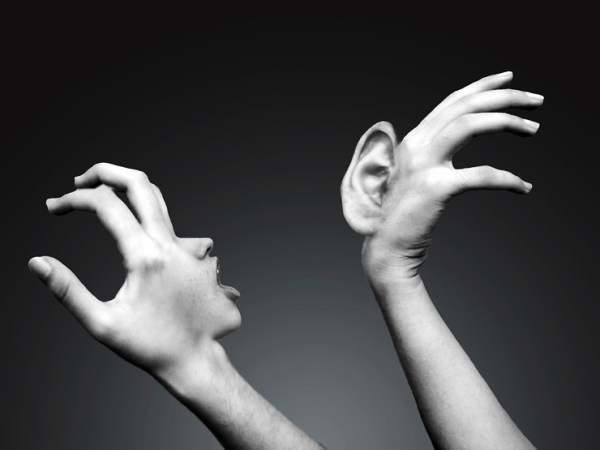
Do you hear what I hear? That ringing sound?
How does the brain generate the phantom ringing sound of tinnitus?
The UPS system inside your neurons
The transport and delivery of goods is essential for ourselves and our community. Did you know that neurons have a delivery system too? Dive into axonal transport, your neurons’ method of transporting cargo.
Fighting brain cancer, one cell at a time
Glioblastoma, an aggressive and highly lethal cancer, produces cells that rapidly invade brain tissue, making it particularly difficult to treat. A new system for testing this cancerous cell invasion is an exciting breakthrough that may help discover new treatment options.
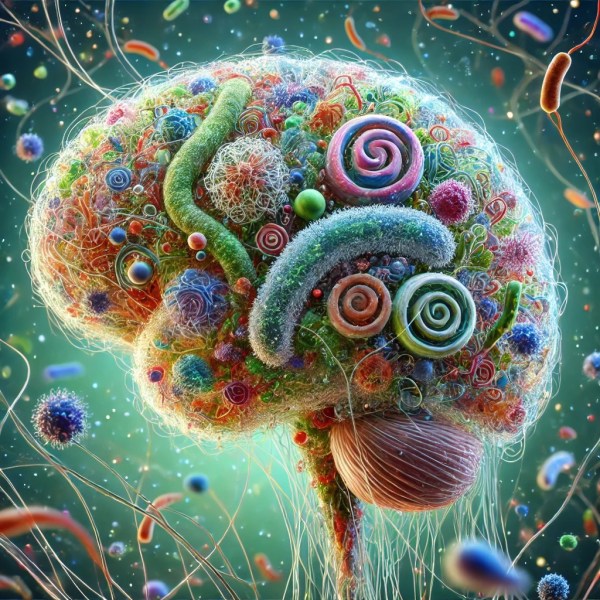
Bacteria in the brain: Friend, foe or figment?
Does the brain, like the gut, have a microbiome?