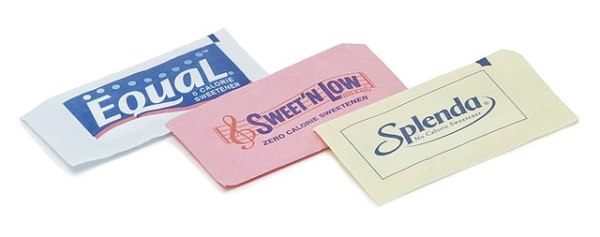
Are they really better for you?
Artificial Sweeteners and the Brain
Breaking down the brain for everyone to understand
Are they really better for you?

Socially distancing from each other has been tough, and being alone also has biological consequences. However, being alone and being lonely are not the same.
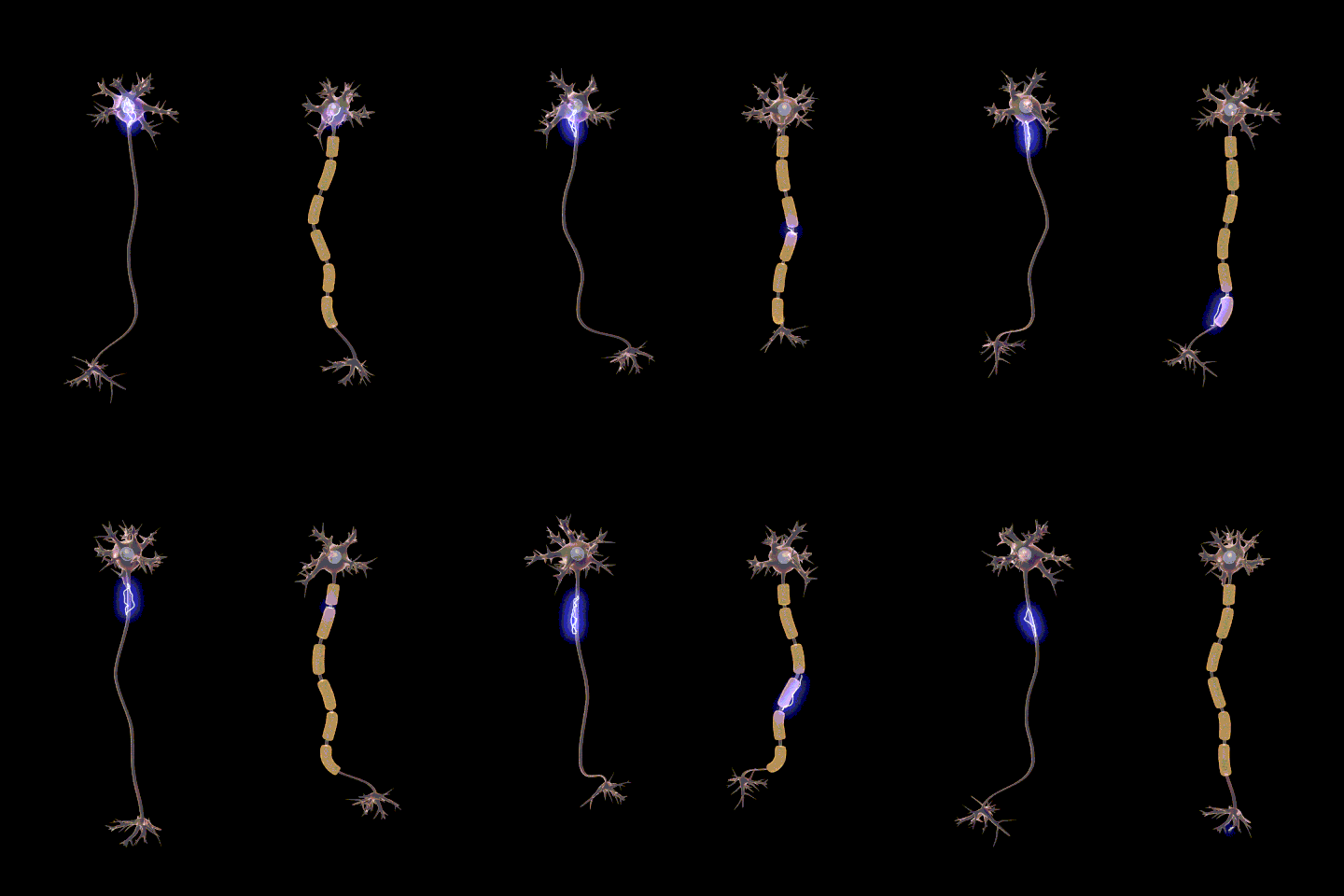
Neuronal insulation provided by myelin is important for a type of memory formation

Lab rats may hold the key to understanding our urge to help others in need.
Parkinson’s disease and the GI tract have more in common than you might think

A psychedelic drug may be a therapeutic breakthrough

How do we form memories, and why does this process break down in autoimmune encephalitis?

Some scientific experiments are odd, but without this strange experiment neuroscientists would not be very ‘hoppy’. Learn about what neuroscience’s history owes to frogs and an Italian scientist born in the 18th century.
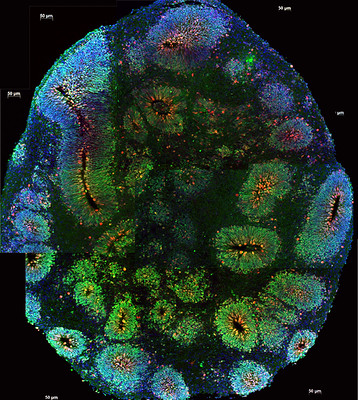
Developing organoids from a patient’s brain tumor may help to understand how to treat them

Research finds that learning to speak more than one language, especially as a child, leads to long-lasting cognitive benefits.
Parasites can literally control the minds of other creatures

Stress early in life can change how the brain reacts to more stress later
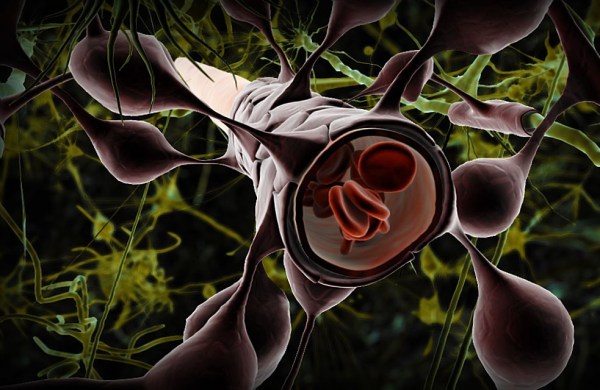
The blood-brain barrier plays a critical role in protecting the brain. However, sleep loss can lower its defenses, increasing the vulnerability of the brain.
How the brain senses touch, pain, and temperature

Holiday shopping is here! Some call it greed, but it might be your brain’s fault you buy more than you need.

How does the immune system work, and what happens when it attacks the brain?
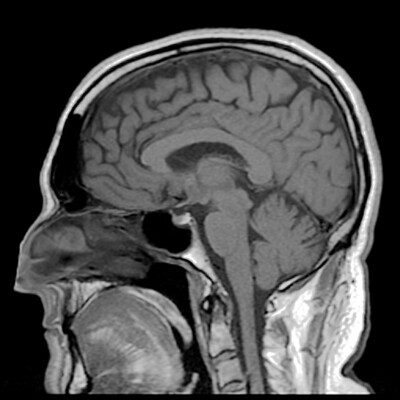
Absolutely nothing, some studies suggest
We are excited to announce that PennNeuroKnow and the International Autoimmune Encephalitis Society (IAES) are teaming up to help patients with autoimmune encephalitis and their families understand the science behind their disease. IAES is a family- and patient-centered organization that assists patients at all stages, from getting a diagnosis to recovery and the many challenges experienced throughout that journey. ... Continue Reading →

How do our brains perceive color, and why do some people and animals see color differently?

Some animals sleep with half their brain at a time. Can humans?

Signals in the brain can be decoded to infer visual experiences
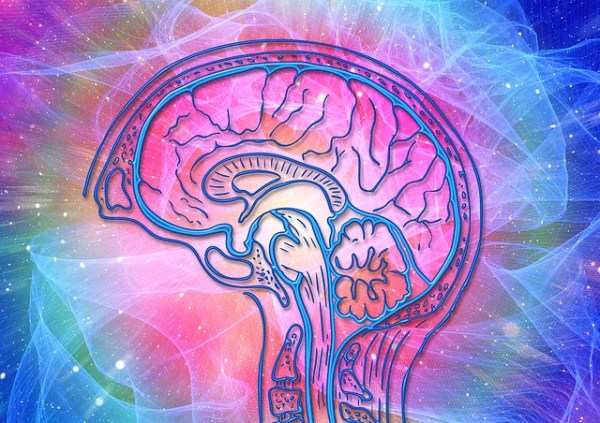
Brain waves almost sound made up, like something that doesn’t exist. However, brain waves are very real, and scientists are very interested in them.

New study reveals how a certain protein plays a role in both nicotine addiction and type II diabetes
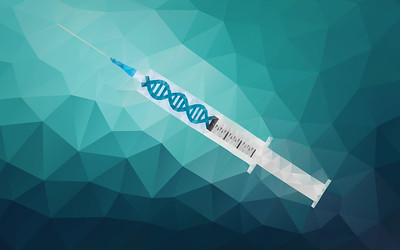
By introducing a single protein, gene therapy can help repair the brain after injury

General anesthetics are used in millions of surgeries each year, yet we still don’t know exactly how they work.
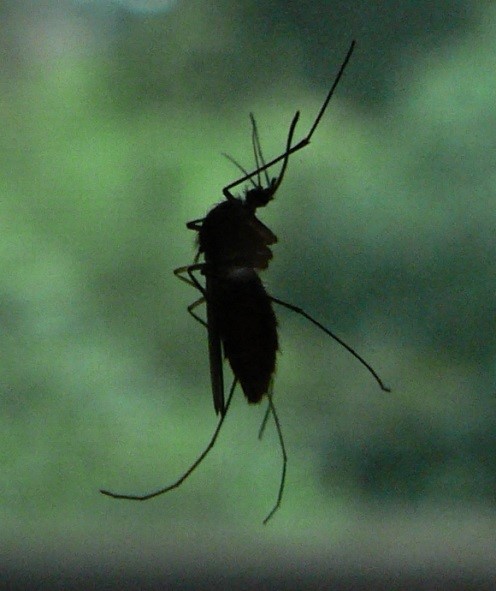
Zika and West Nile viruses cause cognitive problems when immune cells team up
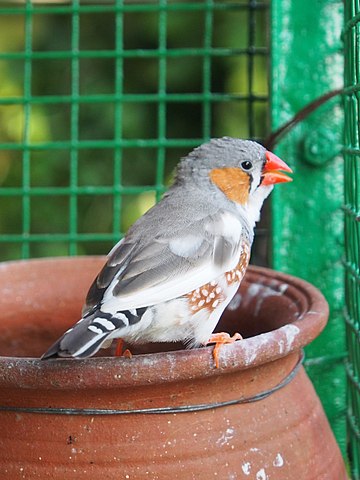
Social interactions shape bird song learning
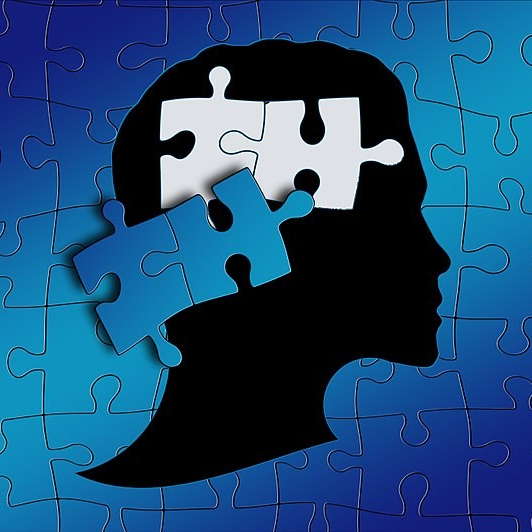
Research shows less activity in the brain’s “reading network” in people with dyslexia. How can we use this knowledge for early intervention?

So you think you have found your soulmate? Can science explain why someone might feel that way?

Different conditions uncover how one protein is important in controlling pain
 PennNeuroKnow