Some people are sad that winter is here, but others have S.A.D.- Seasonal Affective Disorder
Feeling Frosty

Breaking down the brain for everyone to understand
Some people are sad that winter is here, but others have S.A.D.- Seasonal Affective Disorder

Researchers found that there is a “just-right” amount of enjoyable fear

How close is science to finding the cellular source of consciousness?

How can scientists and health professionals harness the power of music for more than just dancing?

A peek into the mechanisms and treatments for Attention-Deficit/Hyperactivity Disorder (ADHD)
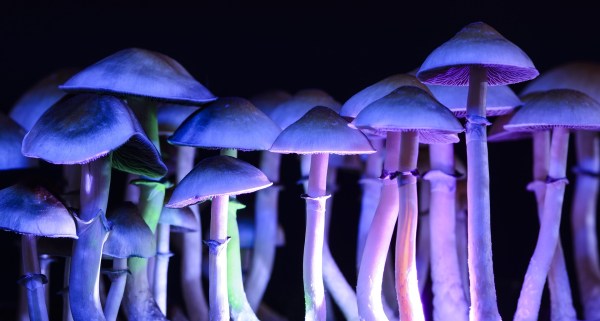
These substances could prove to be potential therapies for mood and substance disorders.

How do our brains sift through the clutter?
How scientists transferred the cognitive benefits of exercise to aged mice…without having to work out

Your brain might be ready to think it is “us” vs. “them,” but you don’t have to.

Many types of brain injury and disease, including autoimmune encephalitis, can cause a language disorder named aphasia that affects at least 2 million Americans
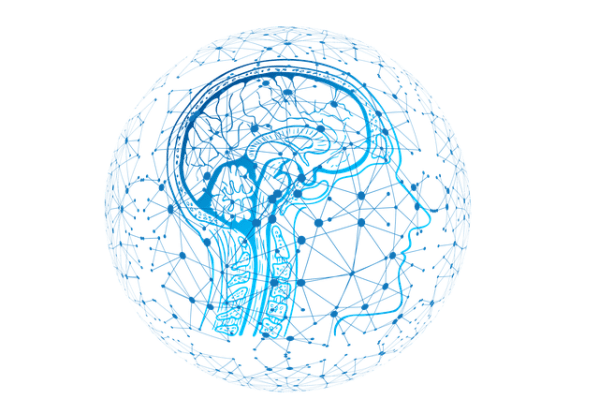
What the brain’s default mode network can teach us about ourselves

Scientists deciphered what mice were feeling by looking at their faces

How the outdoors can improve mental health

Socially distancing from each other has been tough, and being alone also has biological consequences. However, being alone and being lonely are not the same.

A psychedelic drug may be a therapeutic breakthrough

Research finds that learning to speak more than one language, especially as a child, leads to long-lasting cognitive benefits.

How do our brains perceive color, and why do some people and animals see color differently?

Signals in the brain can be decoded to infer visual experiences
Research shows less activity in the brain’s “reading network” in people with dyslexia. How can we use this knowledge for early intervention?

Why do we find some robots cute and others disturbing? New research points to a representation of the Uncanny Valley effect in the brain.

The rapid development of the hippocampus in childhood may explain why it’s nearly impossible to recall memories from our early years.

Yoga and meditation may soon be used as interventions for clinical conditions such as depression

The neuroscience behind dreaming

As we learn more about how memories are formed and stored in the brain, researchers are now discovering the many ways in which memories can be altered on a neuronal level.
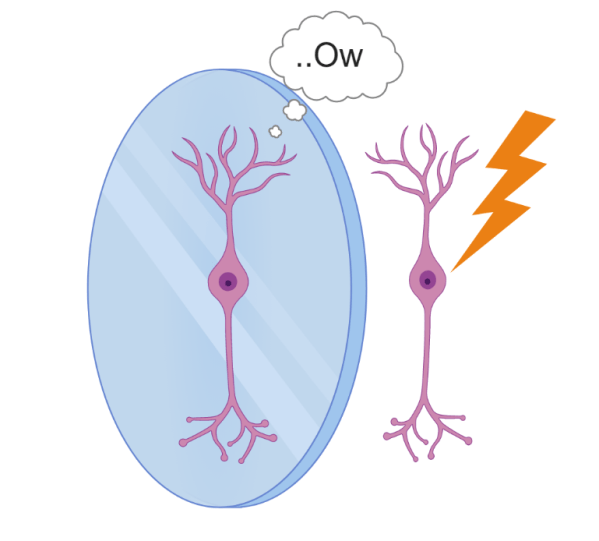
For years, scientists had predicted the existence of neurons in the brain that respond to both the experience and the observation of an emotion. It now seems that they have found them in rats!

Making a hard choice can impact your personal preferences

How do cancer treatments cause thinking and memory problems?

Social comparison changes the value of rewards

How does the brain perceive time?

How does the brain control our impulses?
 PennNeuroKnow