How our early life experiences during “critical periods” permanently shape our brain
A window of opportunity for learning

Breaking down the brain for everyone to understand
How our early life experiences during “critical periods” permanently shape our brain
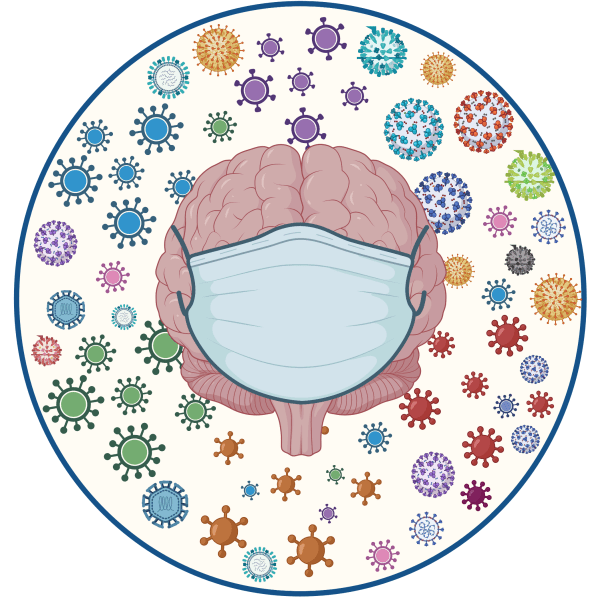
A new study finds links between several viruses and brain diseases. We’ll break down what this study does and doesn’t tell you about what to think next time you get the flu.
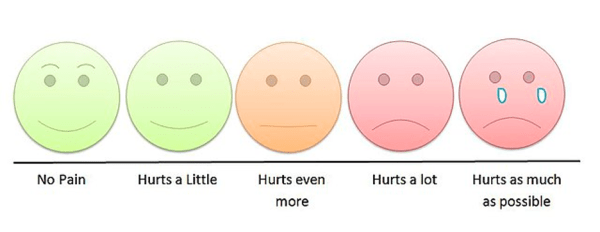
Do males and females experience physical pain differently?

Read about what excited our writers about neuroscience this year.

Scientists find a link between oral bacteria and the brain
Do doctors still use electroconvulsive therapy?

Migraines impart an incredible amount of pain, but where is the pain coming from and how can it be controlled?

Microbes in our gut (and our poop) can impact our brain and our behavior. Could we treat brain diseases and disorders by swapping “unhealthy” microbes for “healthy” ones?
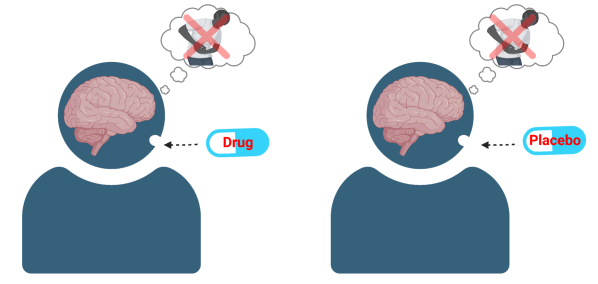
For a patient experiencing pain, the belief that a pain treatment will work can be enough to reduce their pain.
How our brains take into account our recent experience
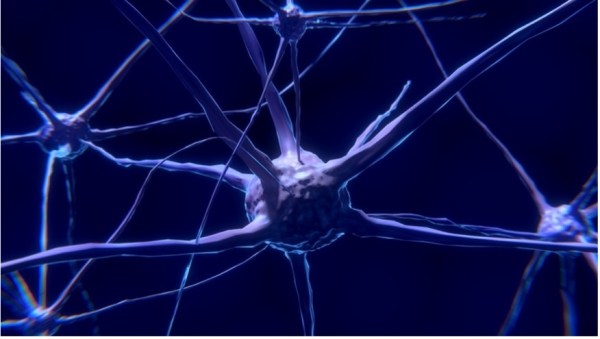
A recent study found that plaques in the brains of Alzheimer’s disease patients are formed when cells’ cleanup machinery becomes defective.

The exact cause of stuttering remains unknown, but it is probably the result of changes in certain brain structures.
Despite what you may have heard, dietary fat isn’t all bad. On the contrary, some types of dietary fats, such as omega 3 fatty acids, can positively impact mood and have a protective effect against symptoms of mood disorders like depression.
Does the way we define and categorize psychological concepts match the organization of our brains, and why does it matter when studying mental illness?
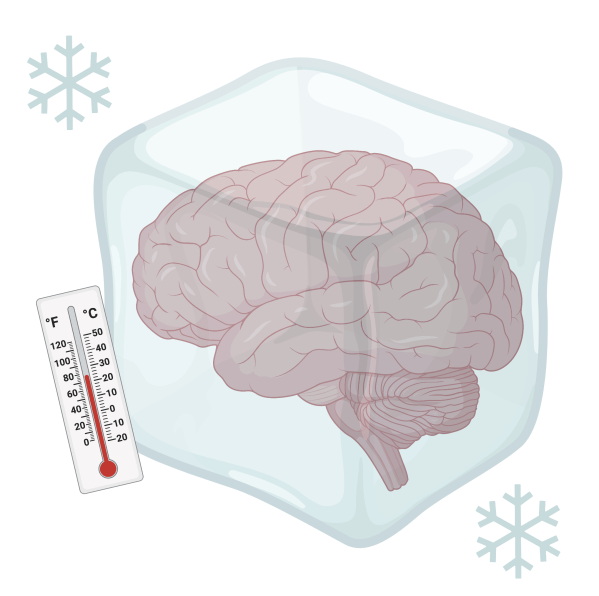
Hypothermia is an effective treatment to protect the brain after a lack of oxygen.

Peeking inside a mouse’s head to understand PTSD

Why can we tell when our stomach hurts but not know which organ is affected?
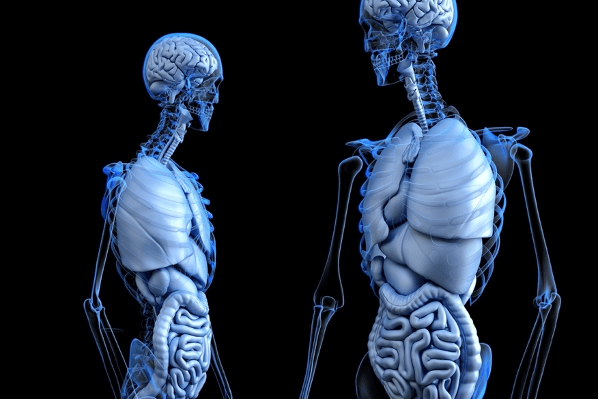
A recent study found that a specific region in your brain recognizes inflammation in your gut.
Electroconvulsive therapy is an effective treatment for some people with mental illness, but how does this so-called “shock therapy” affect the brain?
What is happening in the brain when somebody is having a seizure?
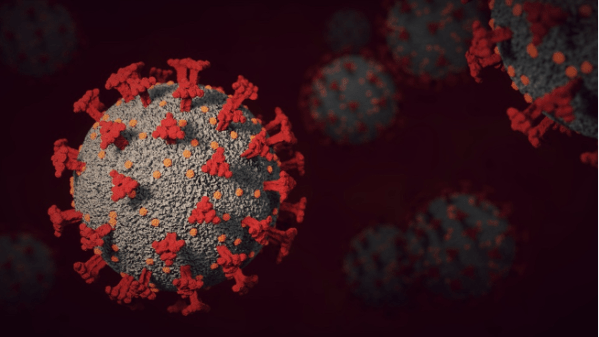
Recent developments in our understanding of how COVID-19 affects the brain have led scientists to revisit an old idea that Alzheimer’s could be virally induced.

How hormones may ease patients’ stroke recoveries

Neuroscience wrapped: as we move into a new year, let’s reflect on some notable discoveries in the field of neuroscience from 2021.

New insights into the link between exercise and improved cognition

Anyone can develop ataxia, but why are people with autoimmune disorders more susceptible?

Restoring sight to the blind sounds like science fiction, but a recent study puts us one step closer to making this fantasy a reality.
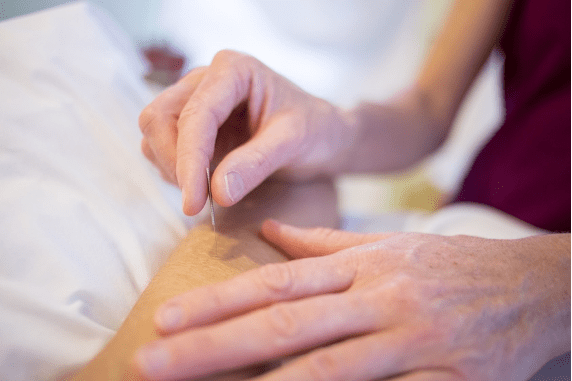
New research uncovers the biology behind acupuncture’s anti-inflammatory effects

Humans consume a shocking amount of plastic particles; what effects do they have on the brain?
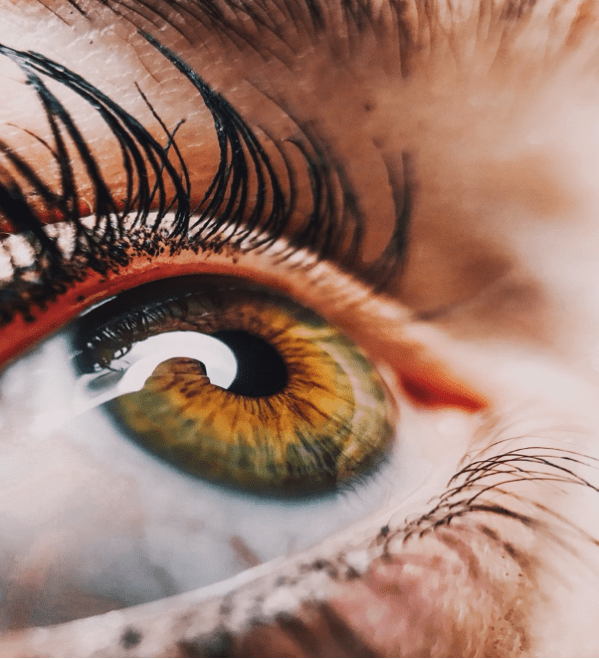
How a protein from algae might help blind patients see

How early childhood trauma can lead to the development of multiple personalities.
 PennNeuroKnow