Ever wondered why sometimes a full stomach makes you sleepy? One new paper has a compelling answer!
Thinking with your stomach: A newly discovered neural pathway related to food comas

Breaking down the brain for everyone to understand
Ever wondered why sometimes a full stomach makes you sleepy? One new paper has a compelling answer!
Have you ever wondered why some people need total silence and darkness to fall asleep, while others prefer to listen to white noise or watch their favorite TV show? Is there a “best” way to fall asleep?
Our writers share what got them excited about neuroscience in 2024.

New research suggests that large waves of electrical activity washing across your brain while you sleep help push garbage in the surrounding fluid out of the brain.

Explore what it means to be asleep, why sleep is so important, and what we can learn from the sleep habits of Antarctic chinstrap penguins.
Some neuroscientists think that the brain balances on the edge of chaos to be as efficient as possible. One new study suggests that sleep helps to restore this ‘critical’ state which may slowly fade while you’re awake.

Our writers share what got them excited about neuroscience in 2023.

You have probably heard the expressions “early bird” and “night owl.” But did you know that differences between these kinds of sleepers go beyond just their bedtimes?

Learn how controlling your dreams may allow scientists to unlock the mysteries of consciousness while you sleep.
Now that we’ve peered into distant galaxies and put a man on the moon, the true final frontier may be our very own brains!
How does sleep deprivation affect the brain?

Our body’s built-in brakes keep us safely still even while our brains remain active during REM sleep.
What happens in the brain while we sleep? As it turns out, a lot: learning and memory, waste clearance, and metabolism.

Read about what excited our writers about neuroscience this year.
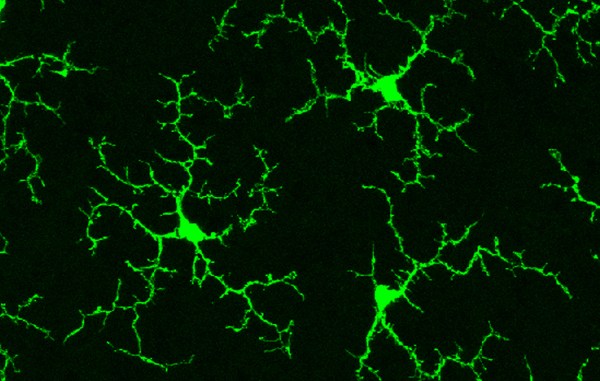
Microglia are the brain’s immune cells, but what do they do when they’re not hunting down foreign bacteria or munching on debris in the brain? Can they even influence how you sleep?

Melatonin is a commonly-used sleep aid, but does it really work?

A new study found that activating memories through learning-associated sound cues during sleep improved the performance of a motor task

Loss of one type of neuron can throw sleep transitions into chaos
How close is science to finding the cellular source of consciousness?

Even the best athletes can’t escape the effects of the brain’s central clock
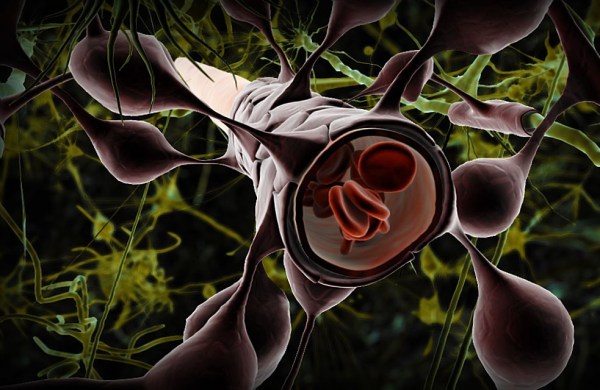
The blood-brain barrier plays a critical role in protecting the brain. However, sleep loss can lower its defenses, increasing the vulnerability of the brain.

Some animals sleep with half their brain at a time. Can humans?

General anesthetics are used in millions of surgeries each year, yet we still don’t know exactly how they work.

A newly discovered genetic mutation might explain why some people need only 4-6 hours of sleep each night.

The neuroscience behind dreaming

How and why do we sleep so much when we are sick?
Can you stay awake forever with the army’s optimal caffeine concentration calculations?
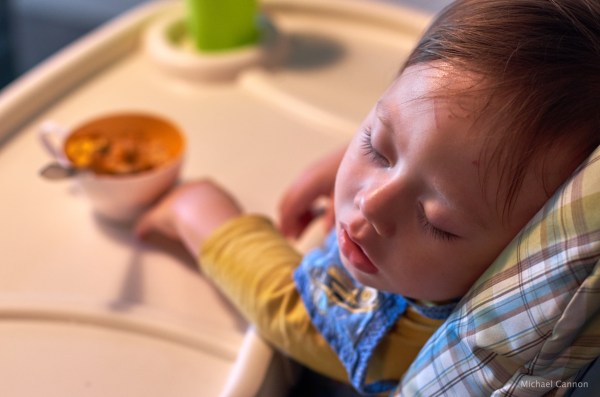
Can you blame your post-meal sleepiness on science?

Is missing some sleep really that bad? Find out how your brain responds to sleep deprivation and how you can get a better night’s sleep!
 PennNeuroKnow