Scientists often look to nature for experiment inspiration. But how has nature helped build the neuroscientist’s toolbox?
When nature helps neuroscience
Breaking down the brain for everyone to understand
Scientists often look to nature for experiment inspiration. But how has nature helped build the neuroscientist’s toolbox?
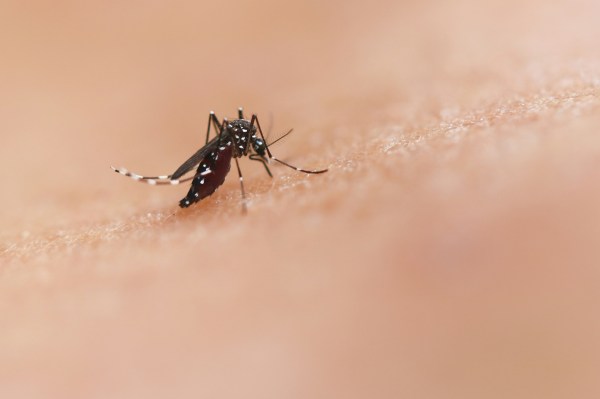
Why do mosquitoes have such a knack for finding you? These tiny bloodhounds use complex senses to zero in on their next snack. Unraveling the brainy secrets behind their host-hunting skills might just be the key to keeping them away and stopping the spread of mosquito-borne diseases!

Learn about the brain's amazing ability to repurpose itself when it loses its sight. Could this be the key to treating patients suffering from strokes or PTSD?

What can and can’t we learn about the human brain by studying rodent brains?

A new study uncovers how your brain balances inflammation in your body, opening the door to new treatment options for diseases characterized by inflammation.

A long-awaited first step towards a cure for a devastating brain disease
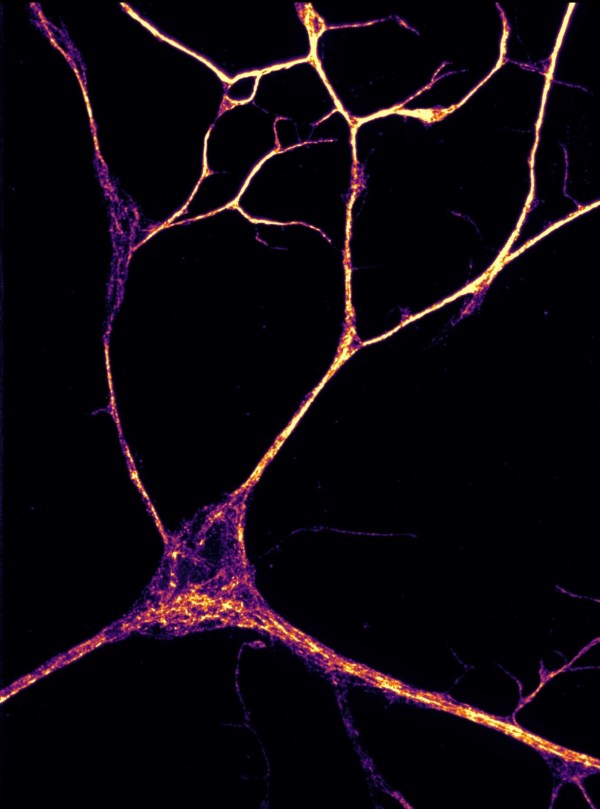
Neurons are far from the only cell type in the brain; other cells like astrocytes and microglia are also crucial for brain function. In certain diseases like Parkinson’s and Alzheimer’s where we see irreversible neuron death, researchers are starting to ask: what role do these other cell types play?
Opioid drugs have many effects – from medicinal to thrilling to deadly. How do they do so much at once?

Cherry blossoms are blooming and bird songs aren’t the only thing filling the air! Learn about the many ways your brain responds to seasonal allergies.

We’ve all likely heard of the “weight loss” drug Ozempic, but what does it do to the brain?

A group of neuroscientists think they’ve found the neurons that can cause you to pass out.

Millions of people around the world suffer from chronic pain disorders, yet we have very few reliable treatments and no cure. Here are three reasons why.

Our writers share what got them excited about neuroscience in 2023.

Brain fog may be the product of how the brain manages in response to a dysregulated immune system
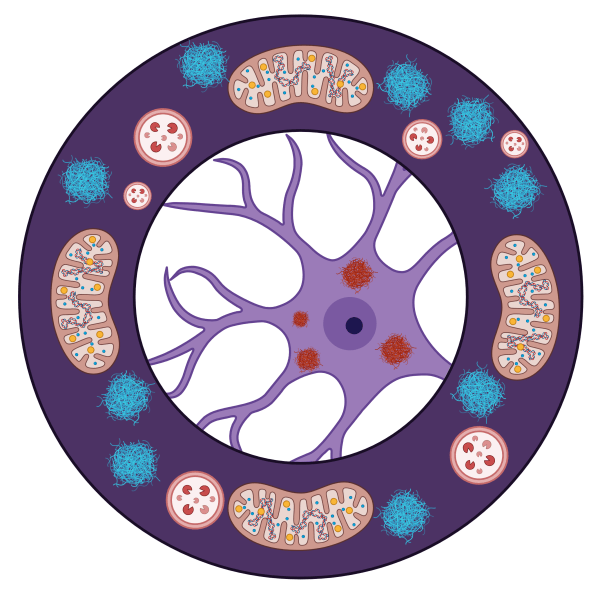
Parkinson’s disease is a neurological disorder that affects 1% of the U.S. population above the age of 60. Symptoms of Parkinson’s impact all facets of life. You might be wondering- if Parkinson’s is so common, why haven’t we been able to develop a cure? Here, we break down some of the aspects of Parkinson’s pathology that make it such a complicated disease to understand.

Every day we’re exposed to low energy electromagnetic frequencies (EMFs) from devices like our phones. Can EMFs affect our brains?
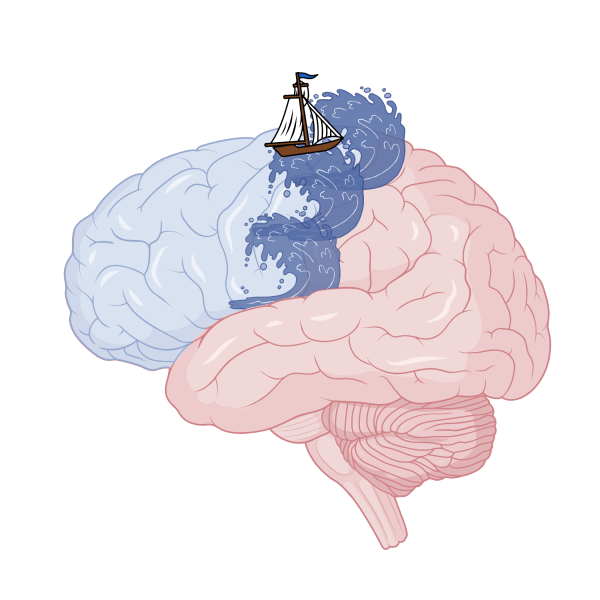
Cortical spreading depolarizations, the tsunami of brain waves, play a role in everything from migraines to traumatic brain injuries.
Scientists are developing a therapeutic tool to treat disease that avoids common side effects.

Ever wonder what the world looks like to your dog? Turns out, the canine visual system is a lot like yours, and it’s helping researchers explore cures for blindness.

Burnout has been a popular topic of discussion over the last few years, but do you know what’s going on in your brain when you experience burnout?

What overlooked part of the brain could be contributing to autism?

When we get hit with an infection, the reaction of a brain structure called the hypothalamus makes us feel sick – but its unpleasant responses are also important steps on the way to healing.

Many people use the power of positive thinking to accomplish amazing feats, but how far can this go? Can we use our thoughts to literally think away diseases?
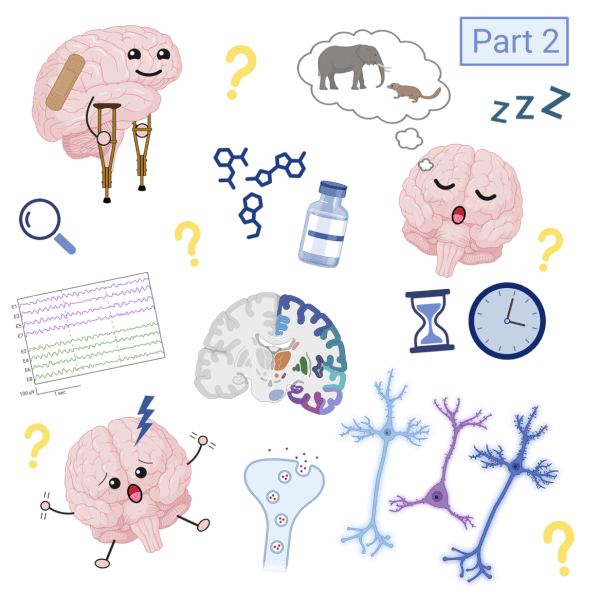
We are back this week with Part Two in our series on some of the biggest (and often surprisingly) unanswered questions in neuroscience!
Unpacking the two newest FDA-approved drugs for Alzheimer’s disease

Losing your memory can be devastating, but a promising new study is paving the way toward a new approach to treating memory loss.

Trauma puts individuals at higher risk for developing an eating disorder. But what’s happening in the brain to cause it?

How our early life experiences during “critical periods” permanently shape our brain
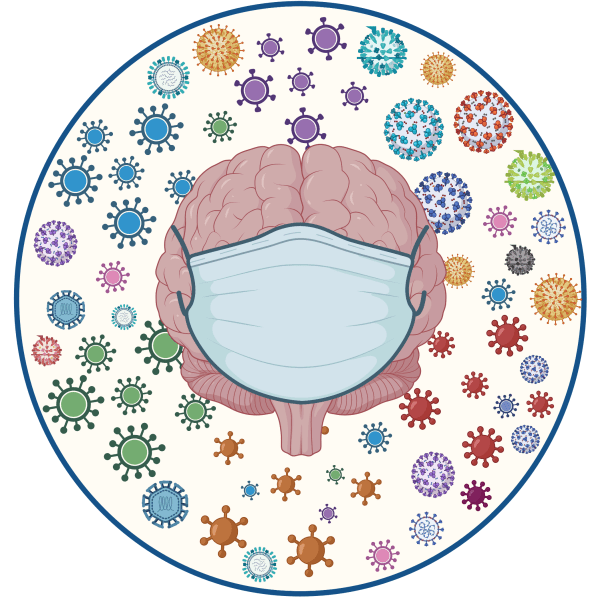
A new study finds links between several viruses and brain diseases. We’ll break down what this study does and doesn’t tell you about what to think next time you get the flu.
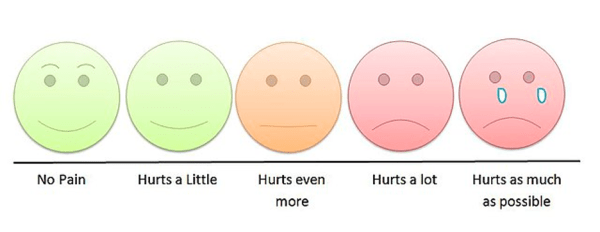
Do males and females experience physical pain differently?
 PennNeuroKnow