Breaking down the brain for everyone to understand

  • All roads lead to Rome: How neurons use different strategies for the same result

    All roads lead to Rome: How neurons use different strategies for the same result

    Have you ever wondered why, in some cases, people respond differently to the same thing? The answer might lie in crabs! Scientists studying crabs found that neurons doing the same job can be wired differently from animal to animal, like people solving the same puzzle in different ways. Usually it doesn’t matter. But when the environment changes, like a sudden temperature shift, or taking a new medication, those hidden differences start to matter.

  • Gyrification: How the brain gets groovy

    Gyrification: How the brain gets groovy

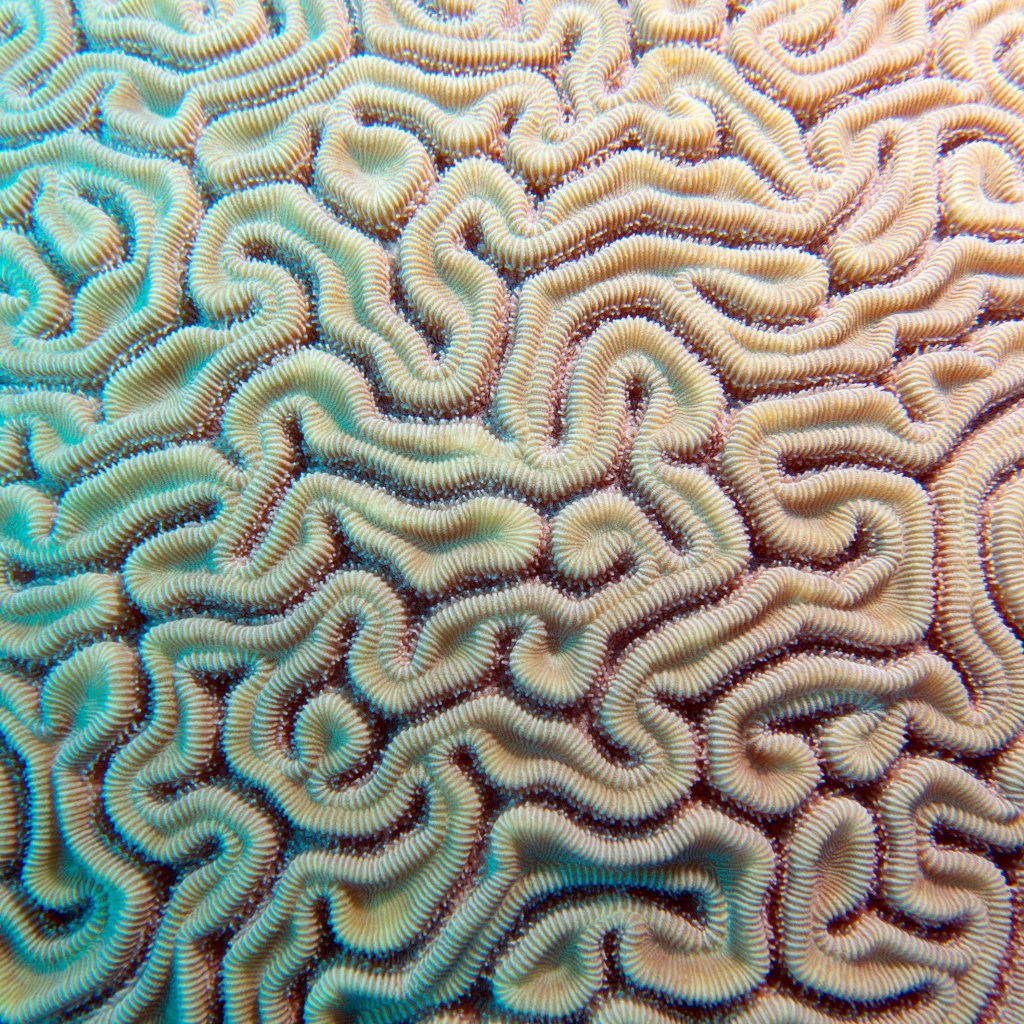
    Why is the human brain wrinkled, rather than smooth like the brain of a mouse? Explore how evolution solved a space problem by folding the cerebral cortex, creating the ridges and grooves that help make human thought possible.

  • Trust you gut: How your favorite protein source may contribute to Parkinson’s disease

    Trust you gut: How your favorite protein source may contribute to Parkinson’s disease

    Staying healthy is about more than just eating from every food group on the food pyramid. Your diet may also play a role in your long-term brain health, including your risk of developing Parkinson’s disease.

  • This is your brain on drugs, but at different doses

    This is your brain on drugs, but at different doses

    Why does the same drug act so differently depending on the dose? The brain does not always respond in a simple “more drug, stronger effect” way. Neuroscientists have recently begun to explore that a micro-dose of a drug, in comparison to a high dose of the same drug, can produce a different but not necessarily milder effect on the brain. Understanding these distinct dose-dependent effects is a new approach to help shape strategies for treating psychiatric and neurological disorders.

  • The neuroscience of nostalgia

    The neuroscience of nostalgia

    Have you ever caught yourself reminiscing over a fond memory and felt a sudden rush of emotions? Keep reading to learn more about what (and where) in your brain contributes to this experience and the unexpected benefits!

  • Lights-out in your brain: Sleeping one region at a time

    Lights-out in your brain: Sleeping one region at a time

    Your brain does not fall asleep all at once, but rather different brain regions fall asleep at different times. That’s why you forget parts of that TV show you watched last night as you were falling asleep; your memory clocked out early.

  • Ahem, ahem… Let me tell you about coughing

    Ahem, ahem… Let me tell you about coughing

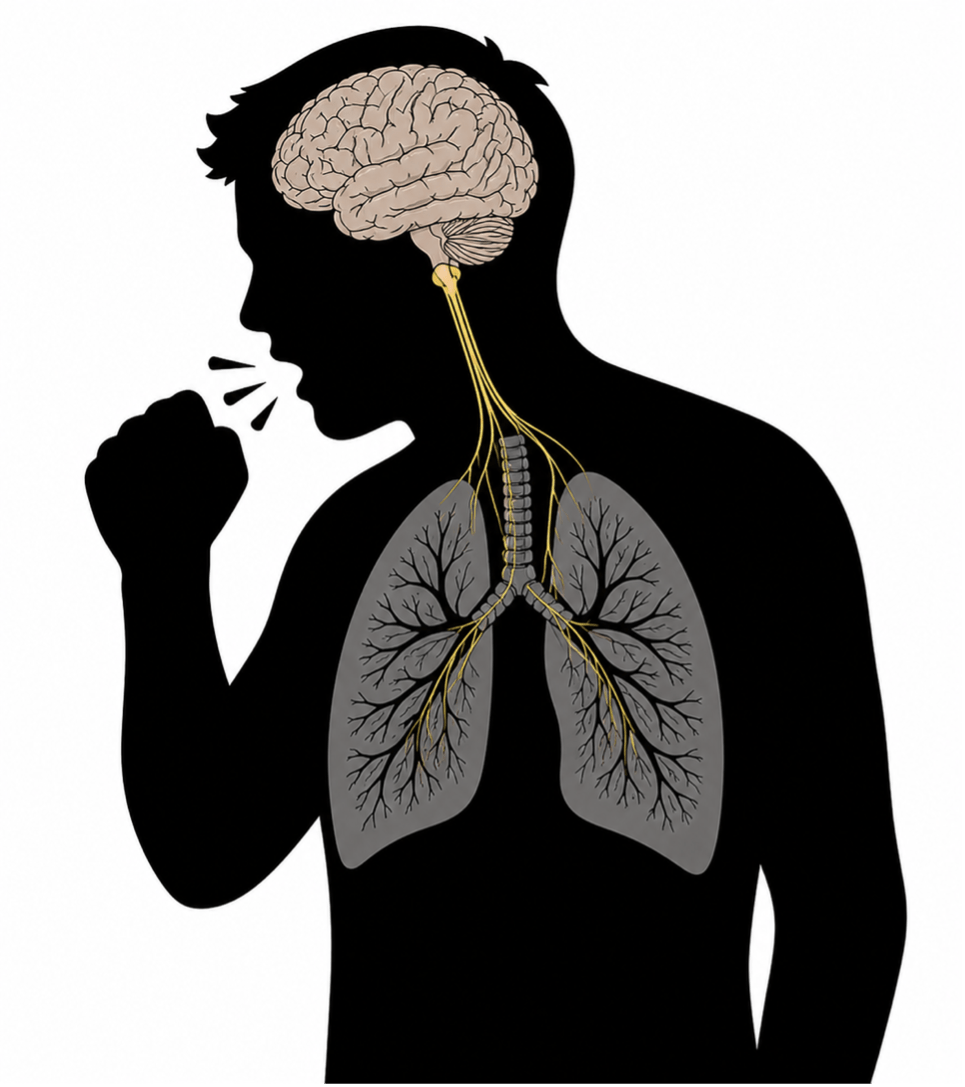
    Ever had a stubborn cough? Wonder why it won’t just go away? Cure your curiosity and learn about why we cough, how the brain is involved, and how cough remedies work.

  • Pins and needles

    Pins and needles

    Why do your limbs go numb or “fall asleep” after sitting in the wrong position?

  • Clever creatures and the tools they use

    Clever creatures and the tools they use

    Tool use is often seen as a defining human trait, but animals from chimpanzees to crows also use tools. Explore how diverse species use tools and what that may reveal about intelligence across the animal kingdom.