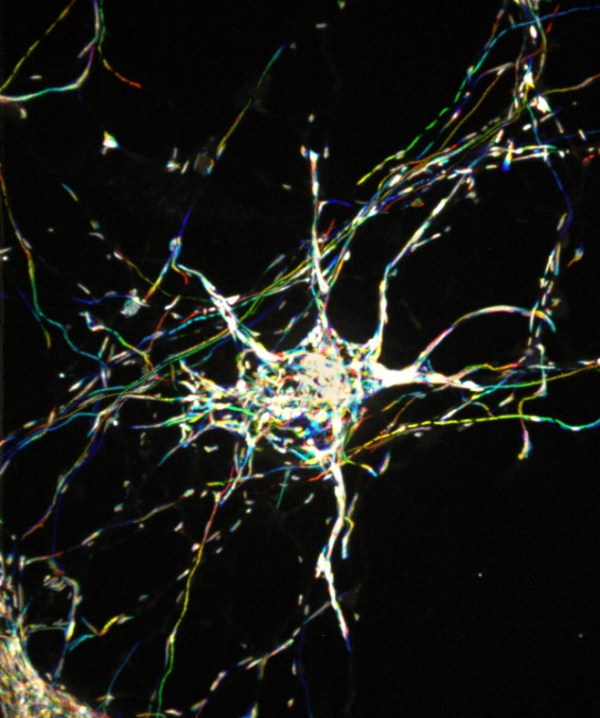
Neurons require a lot of energy to keep your brain functioning, and this energy is overwhelmingly generated by certain cellular components: the mitochondria. Here, we discuss how mitochondria actually perform their most famous job of producing your cells’ energy, as well as the other roles they play in neuronal health.
Eye movements: A window into cognition, disease, and individuality
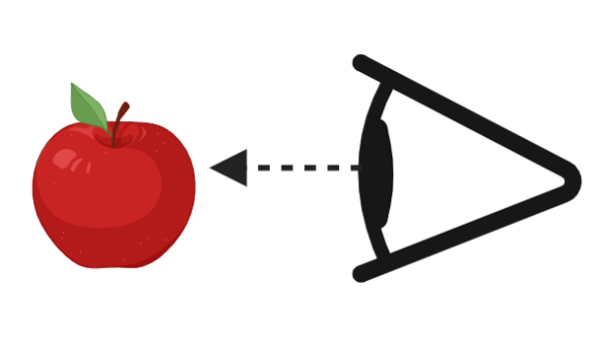
Did you know that our eyes spontaneously move about 3 – 5 times per second? These eye movements, while seemingly simple and mostly unconscious, can tell us a lot about how our brains work. In this PNK post, we’ll dig into the fascinating world of eye movements!
Glia in neurodegeneration: Gladiators or traitors?
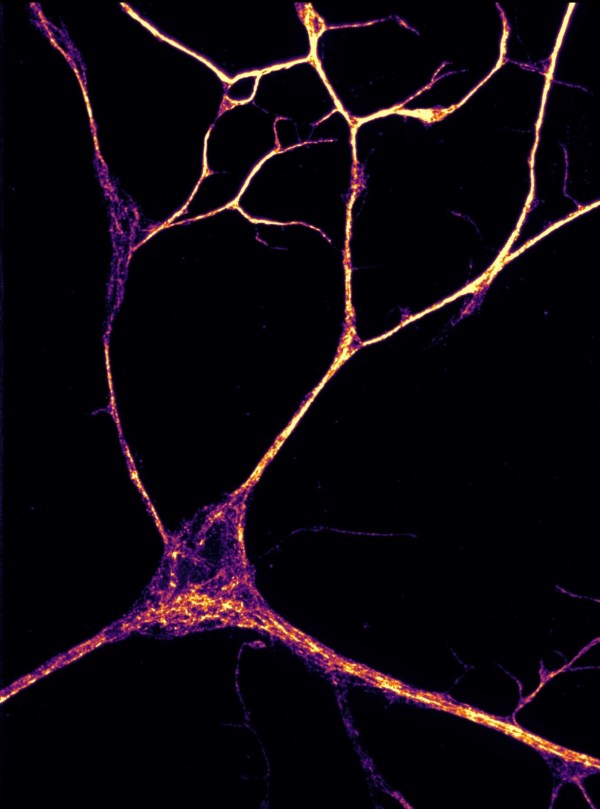
Neurons are far from the only cell type in the brain; other cells like astrocytes and microglia are also crucial for brain function. In certain diseases like Parkinson’s and Alzheimer’s where we see irreversible neuron death, researchers are starting to ask: what role do these other cell types play?
Parsing Parkinson’s pathology
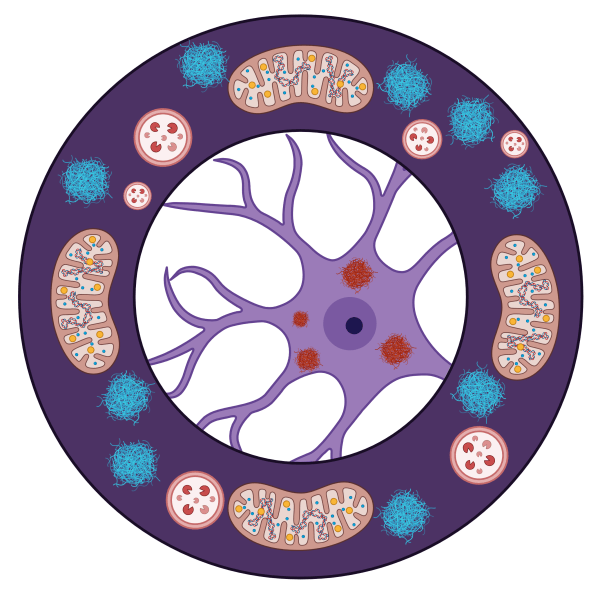
Parkinson’s disease is a neurological disorder that affects 1% of the U.S. population above the age of 60. Symptoms of Parkinson’s impact all facets of life. You might be wondering- if Parkinson’s is so common, why haven’t we been able to develop a cure? Here, we break down some of the aspects of Parkinson’s pathology that make it such a complicated disease to understand.
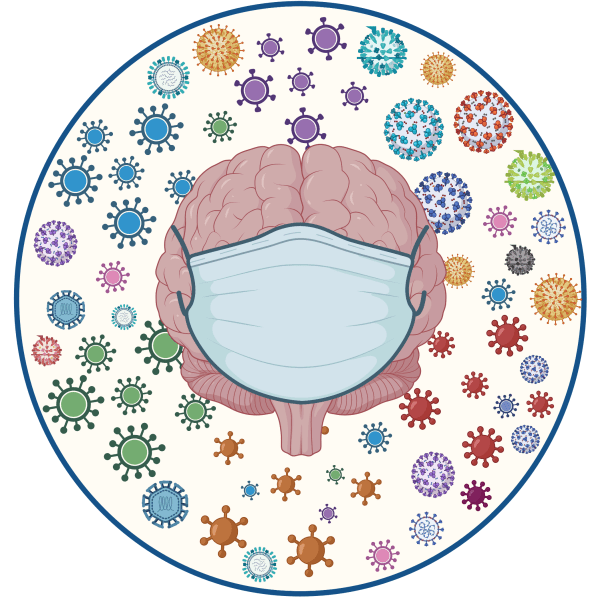
Growing evidence for a link between viral infections and brain diseases
A new study finds links between several viruses and brain diseases. We’ll break down what this study does and doesn’t tell you about what to think next time you get the flu.