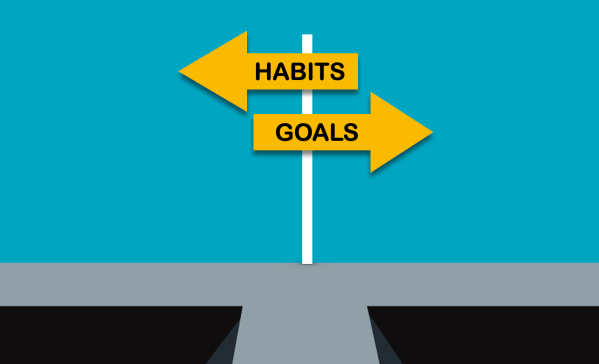
New work in mice reveals that stress dials back the ability to make thoughtful decisions and shifts the brain towards an “autopilot” mode that favors habits.
Falling back into old habits? Stress could be to blame!
Breaking down the brain for everyone to understand
New work in mice reveals that stress dials back the ability to make thoughtful decisions and shifts the brain towards an “autopilot” mode that favors habits.

From creepy-crawlies to horror films, S.M. takes them all in stride. For almost 35 years, she has been helping neuroscientists understand why.

Some of the most important things we’ve learned about the brain have started with case studies of single patients. Read about the case studies that have defined our understanding of the neural basis of language, personality, and fear.

Burnout has been a popular topic of discussion over the last few years, but do you know what’s going on in your brain when you experience burnout?

Recent research found brain regions that may recognize a fearful place and lead to defensive behaviors.

Oxytocin, the “love hormone”, may help to reduce excessive drinking

New research finds a circuit in the brain that prevents social engagement with a sick partner

Similarities and differences in dog-owner and child-parent relationships

Scientists find neurological signatures of dissociation

Can anesthesia lead us to better pain killers?

How the brain coordinates instinctive responses to our environment
 PennNeuroKnow