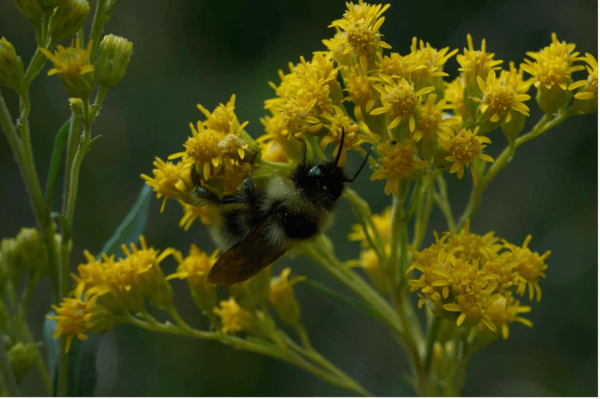
Bees have brains just the size of poppy seeds, yet they can do so much! These black and yellow critters are famous for being nature’s hardest workers, but they are also expert navigators, communicators, and decision-makers. So, maybe something far smaller can help us think bigger about what the brain is capable of.
Out-of-this-world impacts of spaceflight on the brain and body
If you’ve ever looked up at the night sky and wondered what it would be like to spend some time up there, you’re not alone. Here, we talk about the less-discussed aspects of space travel: the impact it can have on your brain and body.
Patient H.M.: Neuroscience’s favorite subject
He was neither a researcher nor a doctor, but Henry Molaison – better known as Patient H.M. – is one of the most famous people in the history of neuroscience.
When nature helps neuroscience
Scientists often look to nature for experiment inspiration. But how has nature helped build the neuroscientist’s toolbox?
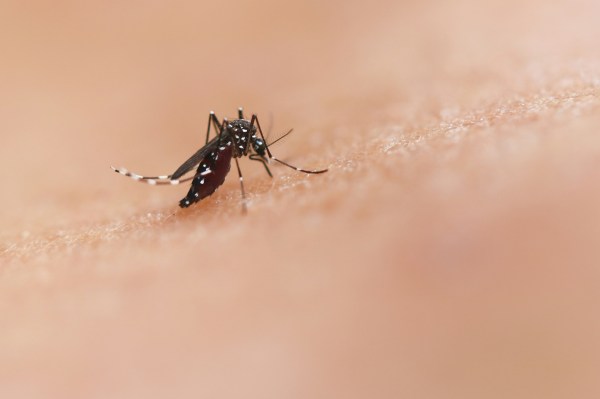
Sniffing us out: How mosquitos seek their hosts
Why do mosquitoes have such a knack for finding you? These tiny bloodhounds use complex senses to zero in on their next snack. Unraveling the brainy secrets behind their host-hunting skills might just be the key to keeping them away and stopping the spread of mosquito-borne diseases!
Spinning silk: How do spiders build their webs?
From birds’ nests to termite mounds to spider webs, animals can create awe-inspiringly intricate structures. How do spiders know how to achieve this incredible feat?
What happens when the brain is out of a job?
Learn about the brain's amazing ability to repurpose itself when it loses its sight. Could this be the key to treating patients suffering from strokes or PTSD?
The Silent Majority
A large number of neurons in the brain are “silent” even while we perceive and experience the world. A recent study sheds light on what they might be doing.

Decide quickly or decide accurately- How your brain solves a classic decision-making problem
It is often difficult to do tasks both quickly and well at the same time. While the same applies to decision making, the brain has found an effective way to make decisions that are reasonably accurate and reasonably fast.
A drifting mind: How reliable are our brains?
New research finds that our brain is constantly changing the way it views the world – even when nothing around us is actually changing. Talk about a wandering mind!
Eating your way to better brain health: The science behind “brain foods”
There is no magic food that can make you smarter, but maintaining a balanced diet is necessary to keep your brain healthy. Learn how different foods and diets can support brain health.
Of mice and men (and brains)
What can and can’t we learn about the human brain by studying rodent brains?
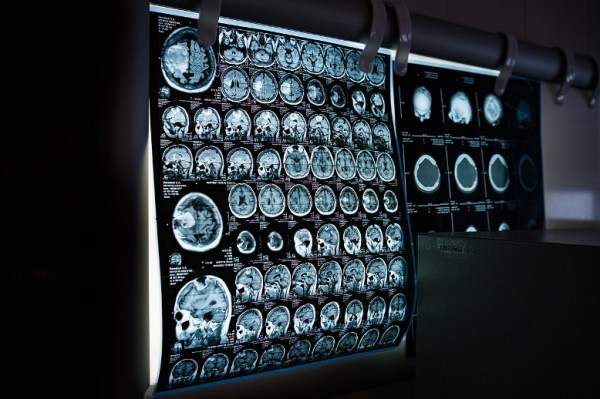
How the ability to visualize the human brain has revolutionized neuroscience, and what comes next
Researchers have only been able to easily visualize the human brain in the last couple decades. Learn how that has changed the course of neuroscience research and what we might be able to do next.
The neurons turning the dial on inflammation
A new study uncovers how your brain balances inflammation in your body, opening the door to new treatment options for diseases characterized by inflammation.
A clear solution for cleaning your brain
New research suggests that large waves of electrical activity washing across your brain while you sleep help push garbage in the surrounding fluid out of the brain.
The experiments that opened the brain’s black box
Despite centuries of scientific advancements, the inner workings of much of the brain remained a complete mystery. A groundbreaking set of experiments changed this.
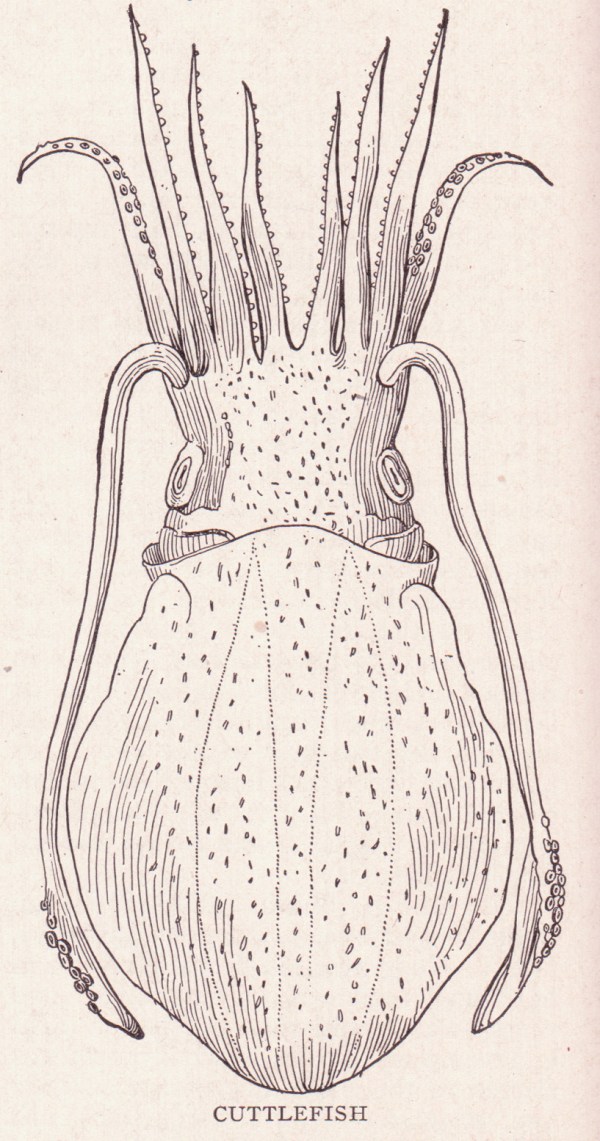
For cuttlefish, intelligence is skin deep
What can we discover from this clever creature whose smarts are nothing like ours?
A new hope in human prion diseases
A long-awaited first step towards a cure for a devastating brain disease
Interoception: The “sixth” sense that shapes our wellbeing
Have you ever noticed your heart rate increase while watching a scary scene in a movie? Or how one moment you feel totally fine, and the next moment there is a burning itch on your leg that you need to scratch? This all results from a sixth sense you may not know existed.
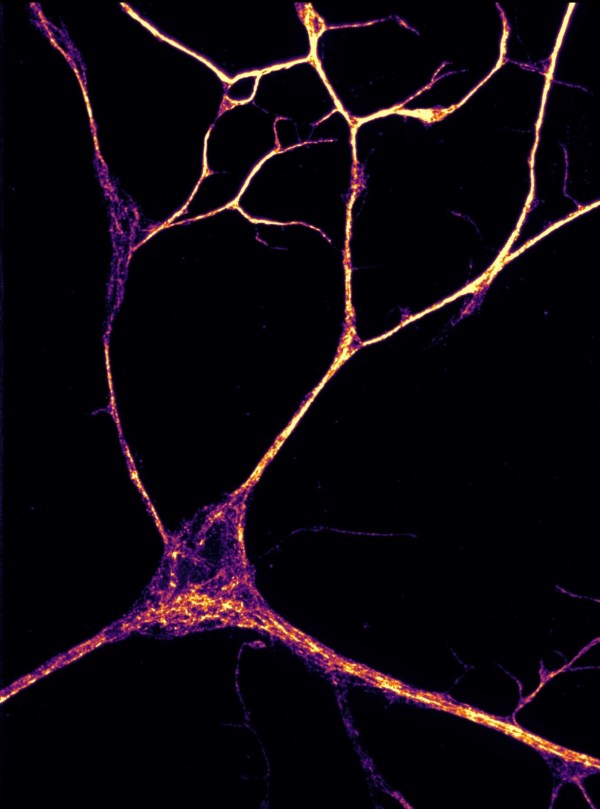
Glia in neurodegeneration: Gladiators or traitors?
Neurons are far from the only cell type in the brain; other cells like astrocytes and microglia are also crucial for brain function. In certain diseases like Parkinson’s and Alzheimer’s where we see irreversible neuron death, researchers are starting to ask: what role do these other cell types play?
Opioid drugs: Pain, pleasure…poison?
Opioid drugs have many effects – from medicinal to thrilling to deadly. How do they do so much at once?
Seasonal allergies pollinating the brain
Cherry blossoms are blooming and bird songs aren’t the only thing filling the air! Learn about the many ways your brain responds to seasonal allergies.
Your brain on Ozempic
We’ve all likely heard of the “weight loss” drug Ozempic, but what does it do to the brain?
Object anthropomorphism: Walking a day in someone else’s wheels
Across ages and cultures, we tuck in teddy bears and put googly eyes on roombas. Where does the urge to empathize with our belongings come from?
ALL ABOARD! The mirror neuron hype train
Take a ride on the Mirror Neuron Express. Departing from: fascinating findings. Arriving at: valuable lessons. By way of: exaggeration, speculation, and overstatement.
Your brain by the numbers
Learn just how remarkable your brain is!
Weathering the storm
How do some people overcome the risk for mental illness and what can – or can’t – we learn from them?
Not for the faint of heart
A group of neuroscientists think they’ve found the neurons that can cause you to pass out.
Why haven’t we cured chronic pain?
Millions of people around the world suffer from chronic pain disorders, yet we have very few reliable treatments and no cure. Here are three reasons why.
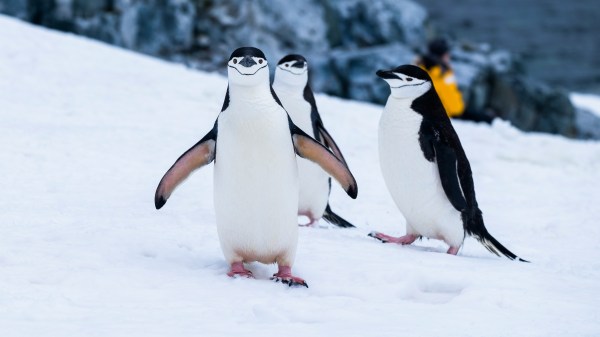
Penguin power naps: Racking up a day’s worth of sleep four seconds at a time
Explore what it means to be asleep, why sleep is so important, and what we can learn from the sleep habits of Antarctic chinstrap penguins.