Mighty mitochondria, the powerhouses of your nervous system

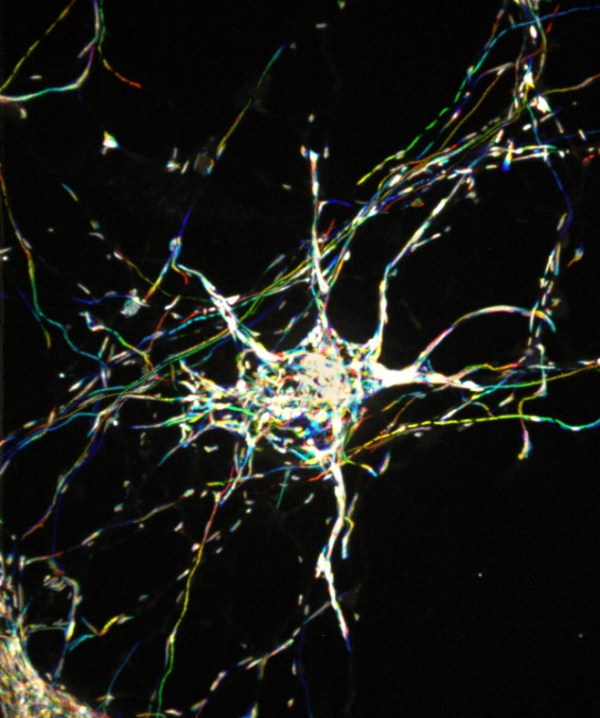
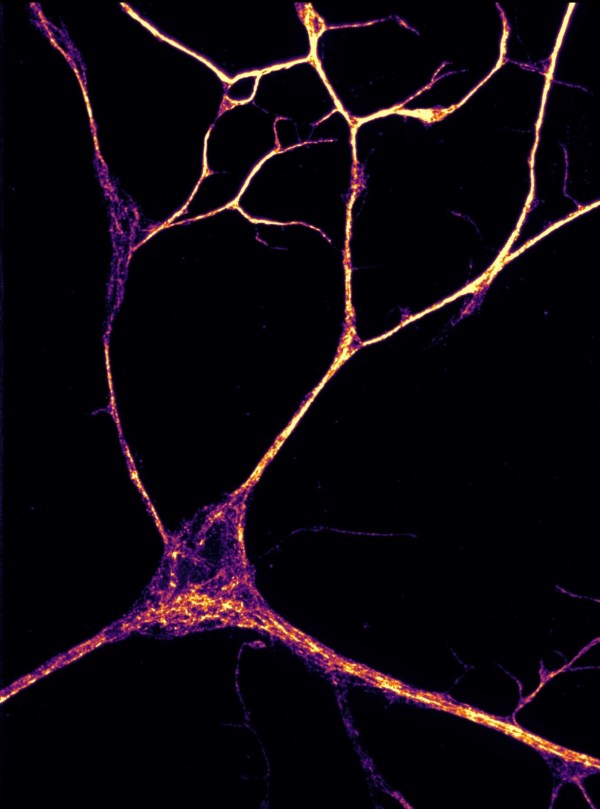
Neurons require a lot of energy to keep your brain functioning, and this energy is overwhelmingly generated by certain cellular components: the mitochondria. Here, we discuss how mitochondria actually perform their most famous job of producing your cells’ energy, as well as the other roles they play in neuronal health.

The UPS system inside your neurons

The transport and delivery of goods is essential for ourselves and our community. Did you know that neurons have a delivery system too? Dive into axonal transport, your neurons’ method of transporting cargo.

Fighting brain cancer, one cell at a time

Glioblastoma, an aggressive and highly lethal cancer, produces cells that rapidly invade brain tissue, making it particularly difficult to treat. A new system for testing this cancerous cell invasion is an exciting breakthrough that may help discover new treatment options.

Bee-lieving in the brain

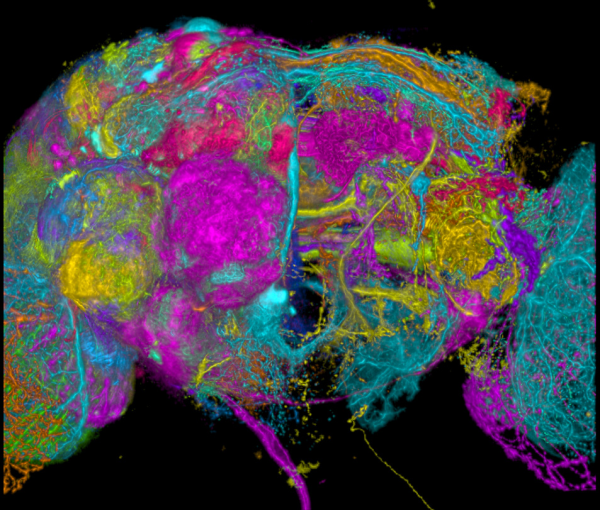
Bees have brains just the size of poppy seeds, yet they can do so much! These black and yellow critters are famous for being nature’s hardest workers, but they are also expert navigators, communicators, and decision-makers. So, maybe something far smaller can help us think bigger about what the brain is capable of.

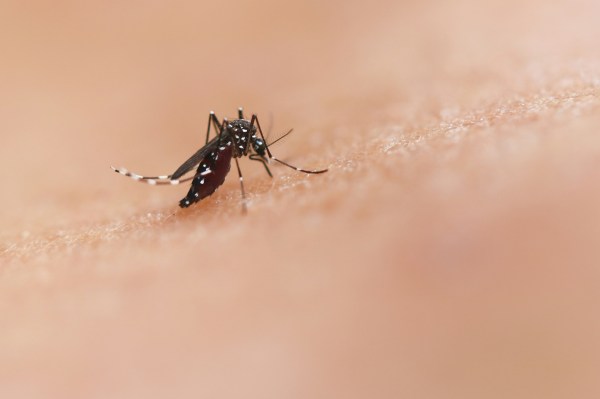
Sniffing us out: How mosquitos seek their hosts

Why do mosquitoes have such a knack for finding you? These tiny bloodhounds use complex senses to zero in on their next snack. Unraveling the brainy secrets behind their host-hunting skills might just be the key to keeping them away and stopping the spread of mosquito-borne diseases!

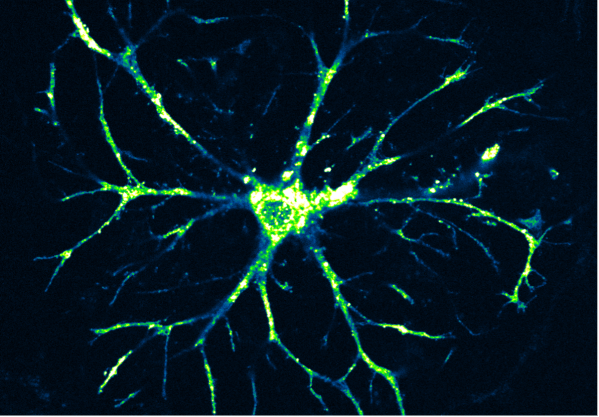
Glia in neurodegeneration: Gladiators or traitors?

Neurons are far from the only cell type in the brain; other cells like astrocytes and microglia are also crucial for brain function. In certain diseases like Parkinson’s and Alzheimer’s where we see irreversible neuron death, researchers are starting to ask: what role do these other cell types play?

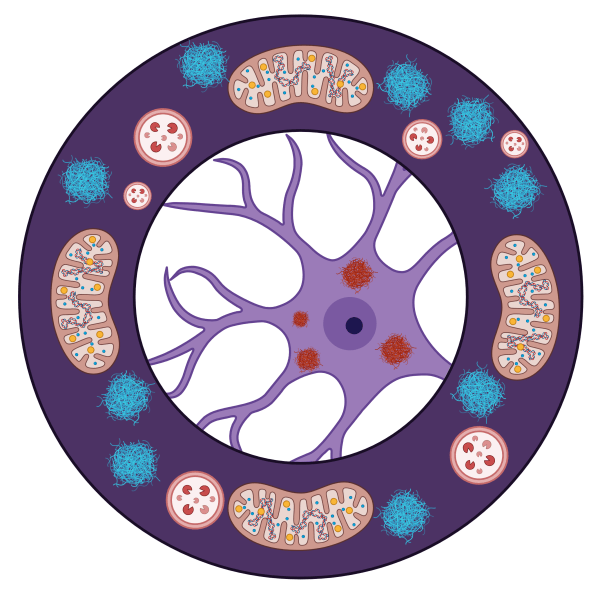
Parsing Parkinson’s pathology

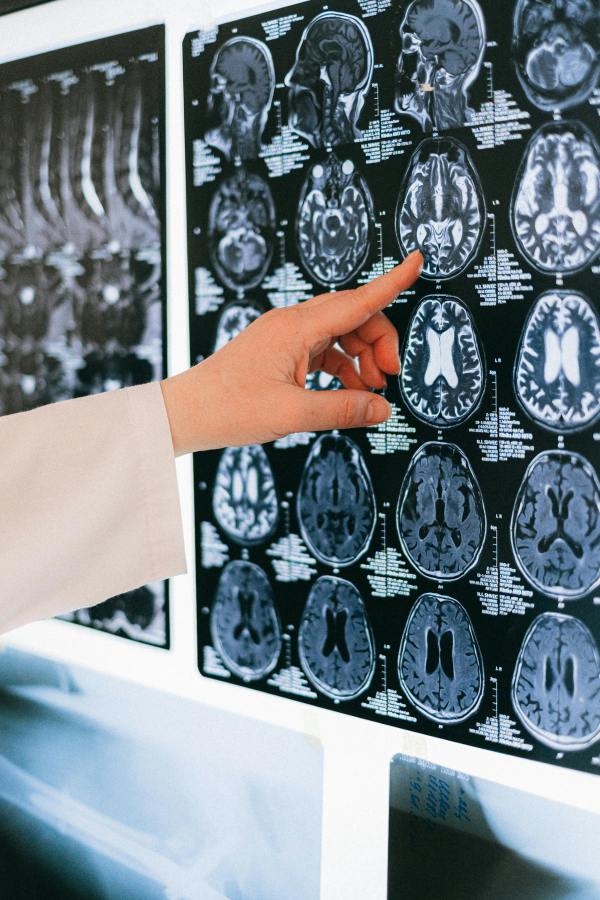
Parkinson’s disease is a neurological disorder that affects 1% of the U.S. population above the age of 60. Symptoms of Parkinson’s impact all facets of life. You might be wondering- if Parkinson’s is so common, why haven’t we been able to develop a cure? Here, we break down some of the aspects of Parkinson’s pathology that make it such a complicated disease to understand.

Healing from the hypothalamus

When we get hit with an infection, the reaction of a brain structure called the hypothalamus makes us feel sick – but its unpleasant responses are also important steps on the way to healing.

Website Powered by WordPress.com.

Up ↑