The idea that women are naturally predisposed to mental and emotional disturbances during “that time of month” dates back centuries. Is it biology or baloney? PMS or BS?
T cells in the immune system: Friend or foe?
T cells are a type of immune cell that defend your body against disease. While these mighty cells normally serve to protect you from foreign invaders, what happens if they turn on you?
The blood brain barrier and its Trojan Horses
Ever wonder what delivering drugs to the brain and Greek mythology have in common? If so, come check out this article on Trojan Horses in science!
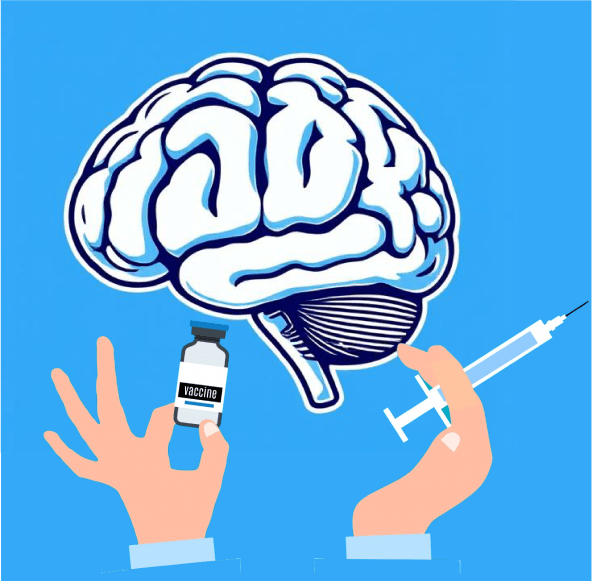
Vaccines and autism: Let’s talk about it
The conversation around autism and vaccines has become an increasingly hot topic of late (to put it mildly), but did you know that this debate began over 25 years ago? Here is a brief overview of the history and the science around whether vaccines increase the risk of autism.
Mighty mitochondria, the powerhouses of your nervous system
Neurons require a lot of energy to keep your brain functioning, and this energy is overwhelmingly generated by certain cellular components: the mitochondria. Here, we discuss how mitochondria actually perform their most famous job of producing your cells’ energy, as well as the other roles they play in neuronal health.
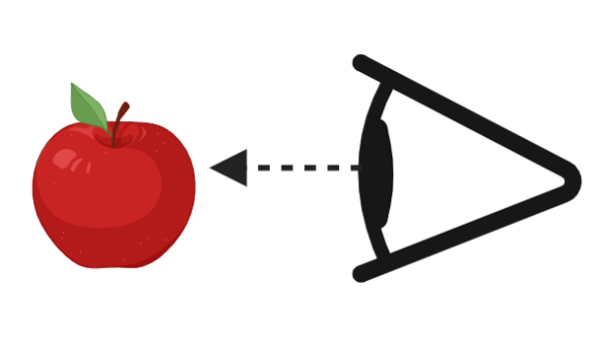
Eye movements: A window into cognition, disease, and individuality
Did you know that our eyes spontaneously move about 3 – 5 times per second? These eye movements, while seemingly simple and mostly unconscious, can tell us a lot about how our brains work. In this PNK post, we’ll dig into the fascinating world of eye movements!
Vagus nerve stimulation: A new frontier
Electrical stimulation is proving to be a powerful treatment for neurological diseases – especially when it comes to the vagus nerve
Mind-muscle connection: How does your brain tell your muscles to move?
From doing the dishes to playing an instrument, a special connection between your brain and the muscles is key to keep us moving the way we want.
Basic science, exceptional outcomes: A look at how non-clinical research is an important investment into human health
Basic research, intended to better our understanding of the world rather than directly investigate diseases, has laid the groundwork for some of the most important developments in modern medicine. Here, we dive into two examples of how basic research findings have revolutionized our treatment approaches for genetic diseases and neurological diagnoses.
A hung jury on hangovers
Hangovers have been around as long as alcohol. But how much do we really know about them?
Blood Mary, Bloody Mary, Bloody Mary: The science of fetal alcohol spectrum disorders
Why is it so dangerous to drink while pregnant?
Do you hear what I hear? That ringing sound?
How does the brain generate the phantom ringing sound of tinnitus?
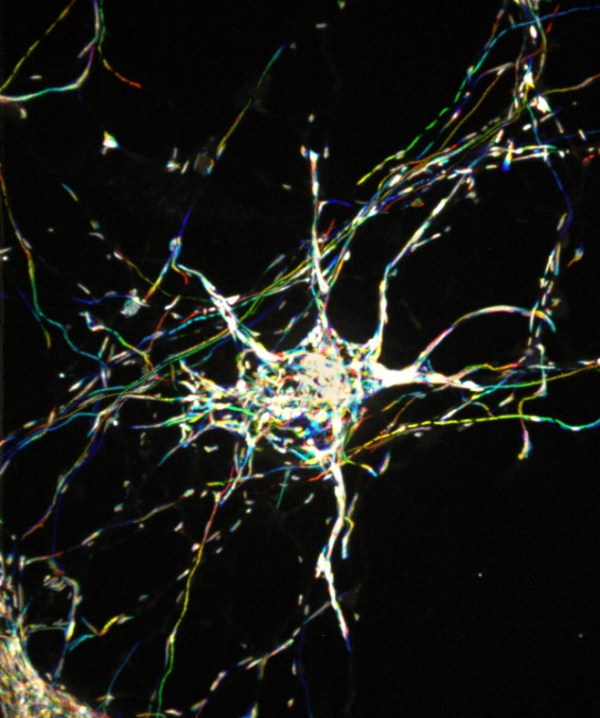
The UPS system inside your neurons
The transport and delivery of goods is essential for ourselves and our community. Did you know that neurons have a delivery system too? Dive into axonal transport, your neurons’ method of transporting cargo.
Fighting brain cancer, one cell at a time
Glioblastoma, an aggressive and highly lethal cancer, produces cells that rapidly invade brain tissue, making it particularly difficult to treat. A new system for testing this cancerous cell invasion is an exciting breakthrough that may help discover new treatment options.
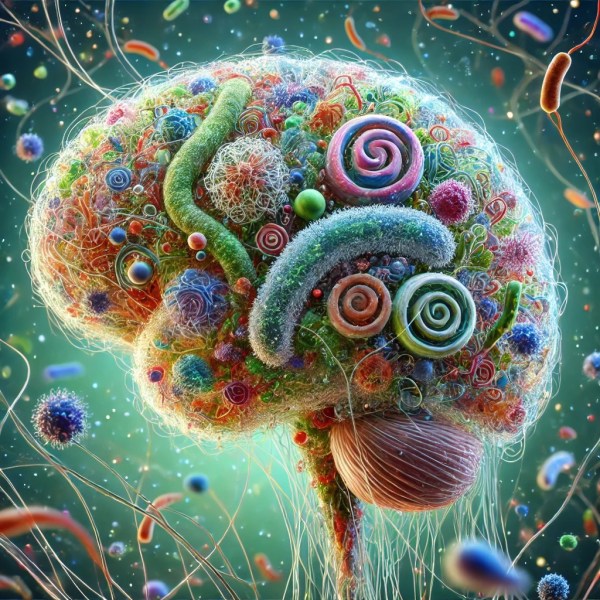
Bacteria in the brain: Friend, foe or figment?
Does the brain, like the gut, have a microbiome?
2024 Neuroscience Year in Review
Our writers share what got them excited about neuroscience in 2024.
Magnetic manipulation of brain activity to treat mental illness
About 1 in 5 adults in the United States are coping with the symptoms of a mental health disorder. Here, we discuss a clinical technique called TMS that uses magnets to directly alter brain activity and discuss how it’s helping us learn more about some mental illnesses.
Under the weather
Whether you’re a snowbird or a beachcomber, your mood might change with the weather.
When worms invade: Exploring a common parasite and its role in epilepsy
Food-borne parasites can invade the body and even the brain. Once they’re in, they can even lead to neurological disorders like epilepsy. Come read about the neuroscience of a condition known as neurocysticercosis.
Wildfire in the brain: What has neuroscience learned from studying epilepsy?
Your brain fires billions of electrical signals every second, but when they get out of hand, it can lead to devastating seizures. Learn how the creation and use of treatments for epilepsy have unlocked some of the brain’s secrets.
Beyond the uterus: Uncovering endometriosis pain
Many people with severe menstrual symptoms may not realize they have a condition called endometriosis. Learn how this disease develops and what causes its pain.
The brain’s gatekeeper: A closer look at the blood-brain barrier
Explore how the barricade between your bloodstream and your brain supports brain health, malfunctions during disease, and might be an avenue for drug delivery.
Making a case for case studies in neuroscience
Some of the most important things we’ve learned about the brain have started with case studies of single patients. Read about the case studies that have defined our understanding of the neural basis of language, personality, and fear.
If you want to diagnose mental illness, study… the body?
Not quite. But new research is highlighting how poor mental health often goes hand-in-hand with poor physical health, and how the two relate.
Patient H.M.: Neuroscience’s favorite subject
He was neither a researcher nor a doctor, but Henry Molaison – better known as Patient H.M. – is one of the most famous people in the history of neuroscience.
When nature helps neuroscience
Scientists often look to nature for experiment inspiration. But how has nature helped build the neuroscientist’s toolbox?
Sniffing us out: How mosquitos seek their hosts
Why do mosquitoes have such a knack for finding you? These tiny bloodhounds use complex senses to zero in on their next snack. Unraveling the brainy secrets behind their host-hunting skills might just be the key to keeping them away and stopping the spread of mosquito-borne diseases!
What happens when the brain is out of a job?
Learn about the brain's amazing ability to repurpose itself when it loses its sight. Could this be the key to treating patients suffering from strokes or PTSD?
Of mice and men (and brains)
What can and can’t we learn about the human brain by studying rodent brains?
The neurons turning the dial on inflammation
A new study uncovers how your brain balances inflammation in your body, opening the door to new treatment options for diseases characterized by inflammation.