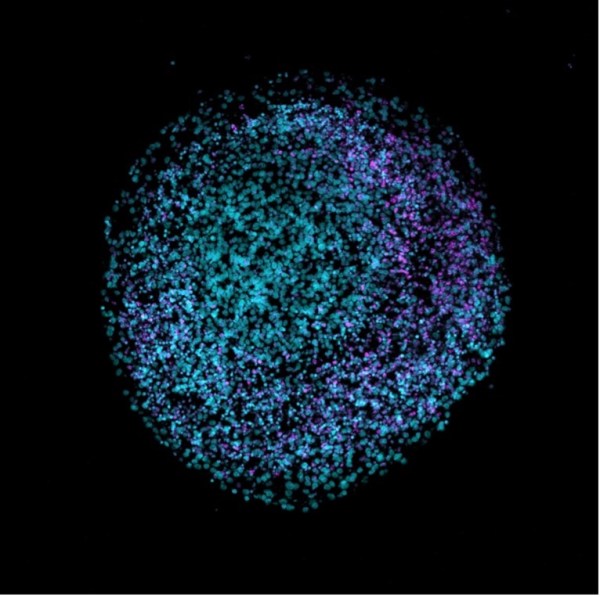
Neuroscientists can now record from many parts of the mouse brain at once, helping us see how millions of neurons work together to guide behavior.
Going viral: How scientists use viruses in research every day
Viruses are experts at getting new DNA into cells. Every day, neuroscientists take advantage of this ability to help us understand the brain.
Vagus nerve stimulation: A new frontier
Electrical stimulation is proving to be a powerful treatment for neurological diseases – especially when it comes to the vagus nerve
Basic science, exceptional outcomes: A look at how non-clinical research is an important investment into human health
Basic research, intended to better our understanding of the world rather than directly investigate diseases, has laid the groundwork for some of the most important developments in modern medicine. Here, we dive into two examples of how basic research findings have revolutionized our treatment approaches for genetic diseases and neurological diagnoses.
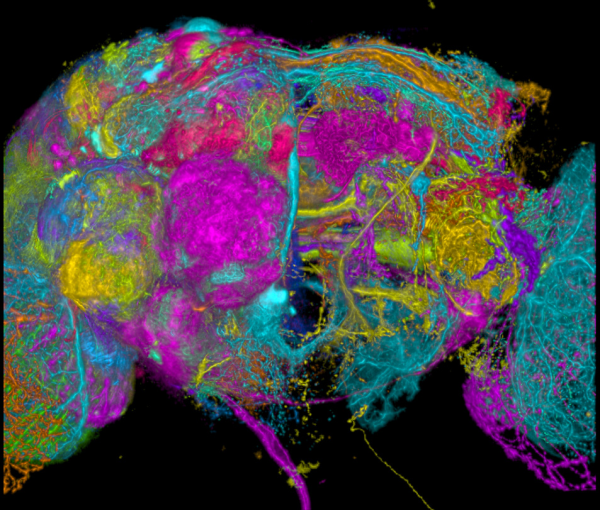
Neuroscientists are building Google Maps for the fly brain
What if we had Google Maps for the brain? Scientists recently charted every connection in a fruit fly’s brain. Six months later, the discoveries are just getting started!
Transcranial focused ultrasound: A new way to stimulate the brain
This exciting new technique uses ultrasonic sound waves to activate brain areas in animals and humans and shows great potential as a new therapy!
Fighting brain cancer, one cell at a time
Glioblastoma, an aggressive and highly lethal cancer, produces cells that rapidly invade brain tissue, making it particularly difficult to treat. A new system for testing this cancerous cell invasion is an exciting breakthrough that may help discover new treatment options.
2024 Neuroscience Year in Review
Our writers share what got them excited about neuroscience in 2024.
When sparks fly!
The skinny on three current controversies in neuroscience and why researchers sometimes disagree
Bee-lieving in the brain
Bees have brains just the size of poppy seeds, yet they can do so much! These black and yellow critters are famous for being nature’s hardest workers, but they are also expert navigators, communicators, and decision-makers. So, maybe something far smaller can help us think bigger about what the brain is capable of.
When nature helps neuroscience
Scientists often look to nature for experiment inspiration. But how has nature helped build the neuroscientist’s toolbox?
How the ability to visualize the human brain has revolutionized neuroscience, and what comes next
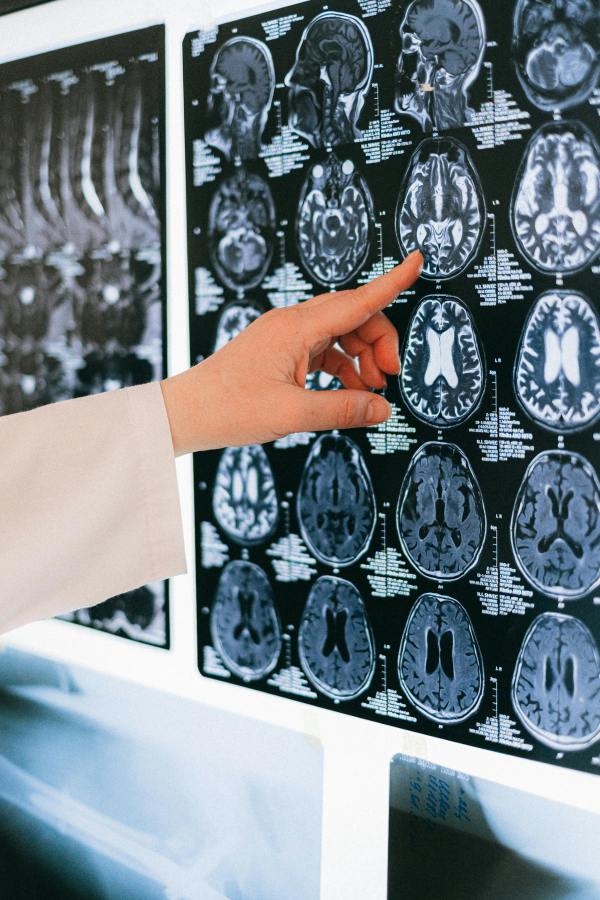
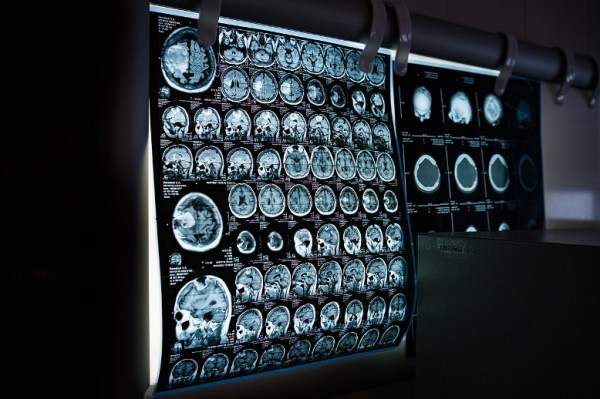
Researchers have only been able to easily visualize the human brain in the last couple decades. Learn how that has changed the course of neuroscience research and what we might be able to do next.
For cuttlefish, intelligence is skin deep
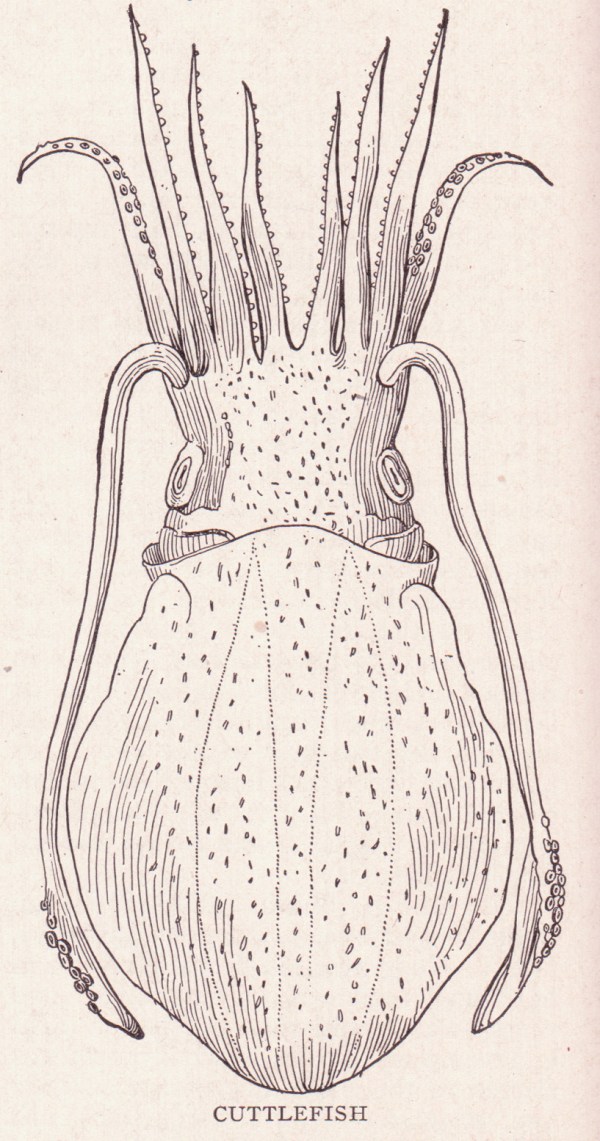
What can we discover from this clever creature whose smarts are nothing like ours?
2023 Neuroscience Year in Review
Our writers share what got them excited about neuroscience in 2023.
A new tool to bypass common drug side effects
Scientists are developing a therapeutic tool to treat disease that avoids common side effects.
ChatGPT versus the brain: A nerve-wracking matchup
ChatGPT is able to write entire essays and explain rocket science while speaking in Shakespearean English. But does it have enough to take the world intelligence title from the human brain?
First steps toward a new approach to overcoming memory loss
Losing your memory can be devastating, but a promising new study is paving the way toward a new approach to treating memory loss.
Can a racing heart lead to a racing mind?
In a recent study, neuroscientists found that the physical sensation of a rapidly beating heart is enough to cause anxiety.
Shopping the brain: How to find regions to test drive
With a complex organ like the brain, how do neuroscientists decide where to focus their attention? Two newer technologies are paving the way for a fast process that helps researchers make this important decision.
Video Supplement: “Learning to Read the Mind”
Can neuroscientists read your mind?
We have the technology!
Neuroscientists often develop entirely new tools to better understand the brain. Neuropixels is one such technology that is helping neuroscientists answer major questions.
2022 Neuroscience Year in Review
Read about what excited our writers about neuroscience this year.
Octopus: the animal that keeps itself company
The fox’s nine tails and the cat’s nine lives are mythical. What about the octopus’s nine brains?
A bug’s life: 3D vision in humans and praying mantids
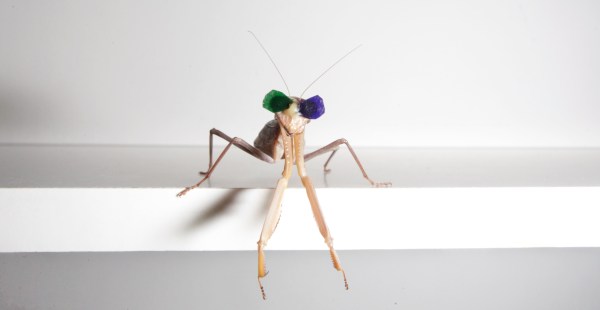
Just like humans, praying mantids can see in 3D. Studying how their brains accomplish this might help us build machines that can do the same.
Life from the machine
Researchers are taking what we know about how neurons communicate and digitizing it.
A new type of rhythm: eta
Scientists discovered a new type of rhythmicity in brain activity when rats are in a virtual reality. What does it mean to be in the matrix?
3 Notable Neuroscience Discoveries in 2021
Neuroscience wrapped: as we move into a new year, let’s reflect on some notable discoveries in the field of neuroscience from 2021.
What’s a neural circuit?
How does the human brain work better than the best supercomputer?
Restoring Sight to the Blind
Restoring sight to the blind sounds like science fiction, but a recent study puts us one step closer to making this fantasy a reality.
Seeing the light again
How a protein from algae might help blind patients see