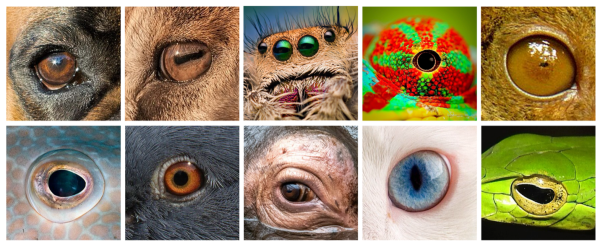
What would it be like to see through the eyes of another animal? Learn how different animals see the world.
More than meets the eye: How different animals see the world
Breaking down the brain for everyone to understand
What would it be like to see through the eyes of another animal? Learn how different animals see the world.
Our writers share what got them excited about neuroscience in 2025.

A recent study suggests artificial sweeteners are associated with a faster cognitive decline. How might that be happening?
That urge to pee? It’s not so simple. Behind it is a complex brain-bladder conversation that decides when to hold and when to go.
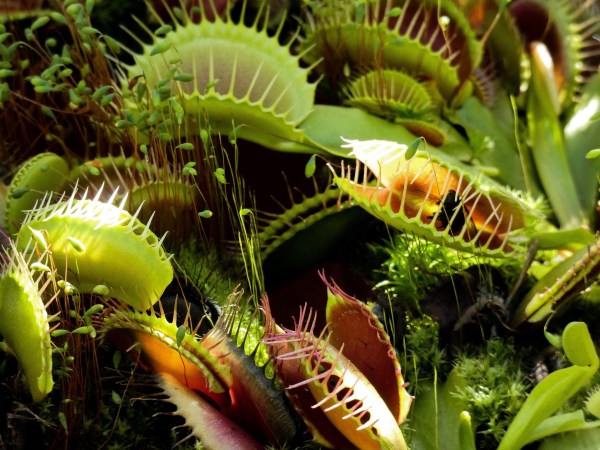
It may sound like a ridiculous question— but it’s worth asking. From Venus flytraps snapping shut to stressed plants releasing ultrasonic "screams," plants react to touch and damage in surprising similar ways to us.

Humans are the only species that display tearful, emotional crying. Why have we evolved this behavior? Does it benefit us? And if so, why don’t we cry more?

Studying bats helps us understand how the brain processes and sorts sounds into categories.

Whether punk rock or Puccini, everyone has music that they love. Why is music so compelling? And what’s going on in your brain when you’re jamming to your favorite song?
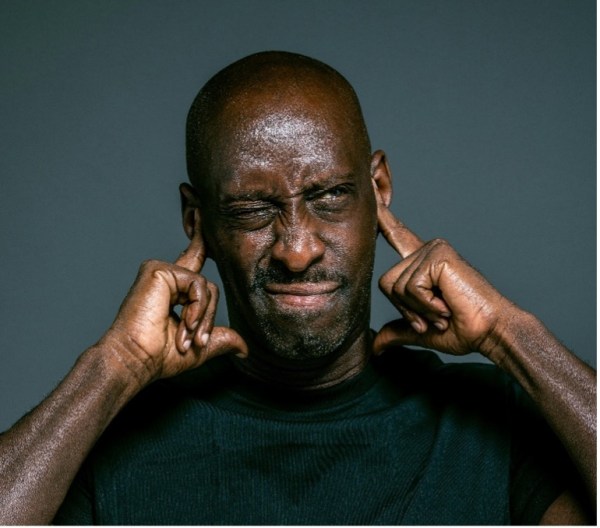
How does the brain generate the phantom ringing sound of tinnitus?

Our writers share what got them excited about neuroscience in 2024.

A large number of neurons in the brain are “silent” even while we perceive and experience the world. A recent study sheds light on what they might be doing.

Despite centuries of scientific advancements, the inner workings of much of the brain remained a complete mystery. A groundbreaking set of experiments changed this.

What can we discover from this clever creature whose smarts are nothing like ours?
Opioid drugs have many effects – from medicinal to thrilling to deadly. How do they do so much at once?
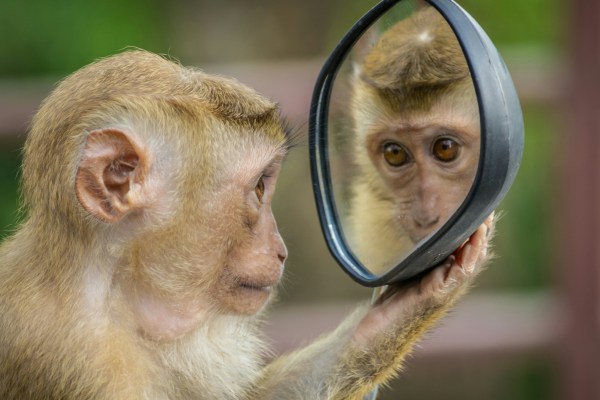
Take a ride on the Mirror Neuron Express. Departing from: fascinating findings. Arriving at: valuable lessons. By way of: exaggeration, speculation, and overstatement.

Millions of people around the world suffer from chronic pain disorders, yet we have very few reliable treatments and no cure. Here are three reasons why.

Our writers share what got them excited about neuroscience in 2023.
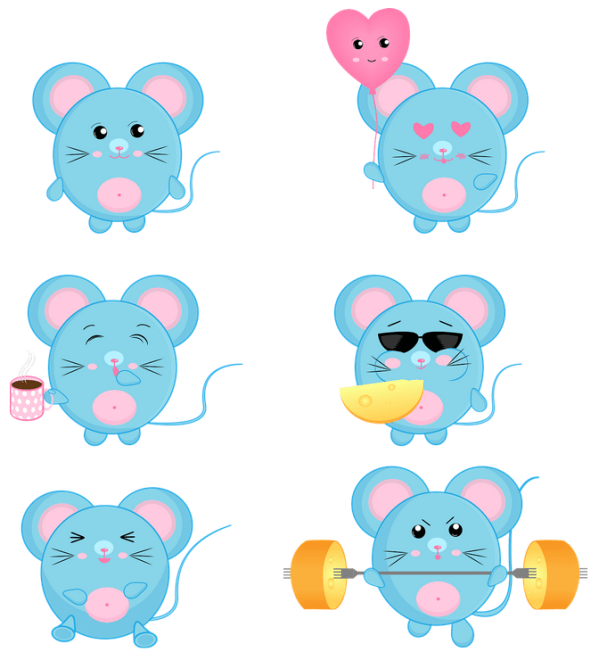
How can you tell what a mouse is feeling? New methods give neuroscientists some clues.

An exciting new study untangles how nature and nurture influence musicianship from childhood to adulthood

Every day we’re exposed to low energy electromagnetic frequencies (EMFs) from devices like our phones. Can EMFs affect our brains?

What happens when your senses don't agree? Learn how your brain handles conflicting information by changing what you see, altering what you hear, or even making you puke!

Ever wonder what the world looks like to your dog? Turns out, the canine visual system is a lot like yours, and it’s helping researchers explore cures for blindness.
Several myths about the brain are so popular that you might not realize they’re false. We’ll break down what these myths claim, where they came from, and whether there’s any truth behind them.
Psychedelic compounds are known for the mind-altering properties of their psychedelic “trips”. But does taking these drugs also have lasting impacts on the way we see the world?

Your ability to communicate with yourself is an influential part of day-to-day life. Research is beginning to uncover how inner speech works, how you can leverage it to improve your life, and what happens when a brain can’t quite recognize its own voiceover.

Learn how controlling your dreams may allow scientists to unlock the mysteries of consciousness while you sleep.

Our body’s built-in brakes keep us safely still even while our brains remain active during REM sleep.

There’s a reason chickens have their unique strut. The “bob” of a chicken’s head as it walks allows it to see, and is enabled by some amazing neural systems.

How our early life experiences during “critical periods” permanently shape our brain

Music is more than just hearing sound; it’s also feeling it. Scientists have shown that feeling the bass makes music more enjoyable and causes people to dance more.
 PennNeuroKnow