The idea that women are naturally predisposed to mental and emotional disturbances during “that time of month” dates back centuries. Is it biology or baloney? PMS or BS?
When good things turn bad: How your brain decides what you like and dislike
How do we decide what we like and what we don’t? Discover how the brain forms these judgments and how they can flip after just one bad experience.
Vaccines and autism: Let’s talk about it
The conversation around autism and vaccines has become an increasingly hot topic of late (to put it mildly), but did you know that this debate began over 25 years ago? Here is a brief overview of the history and the science around whether vaccines increase the risk of autism.
How to make a guy compost in 10 days
How can we use neuroscience to encourage environmentally-friendly decisions?
The brain behind the balance
Your brain is more than a thinking machine. Even when you rest, your brain is constantly monitoring, adjusting, and fine-tuning every heartbeat, breath, and chemical signal – keeping your body balanced. The key? A network of regulators hidden in your brain working every second of your life.
Why our brains find conspiracy theories appealing
Discover why conspiracy theories grab our attention, and how the brain’s reward systems and social instincts make them so hard to resist.
Two sides of the matter: The human brain may be symmetric in form, but not in function
Even though it is a myth that people are either “left-brained” or “right-brained,” certain complex functions, such as spoken language, are primarily found on one side of the human brain. How and why does the brain pick a side for these functions?
Turning pages, swiping screens, and hitting play: Is reading always the same to our brain?
Whether it’s on paper, screen or audio, there are more ways than ever to enjoy a good book. But do different formats engage the brain in the same way?
Can we trust our memory?
We may think our memory is set in stone, but it’s more like wet clay. From false childhood memories to wrongful convictions, explore the science behind how our memories can deceive us — and how they could still be trusted if handled with care.
Emotional support animals: A life- (and brain-) changing bond
Connections with a pet support mental health. How do emotional support animals help manage symptoms of mental illnesses and how does the brain react to this connection?
Music on the brain
Whether punk rock or Puccini, everyone has music that they love. Why is music so compelling? And what’s going on in your brain when you’re jamming to your favorite song?
A hung jury on hangovers
Hangovers have been around as long as alcohol. But how much do we really know about them?
Do you hear what I hear? That ringing sound?
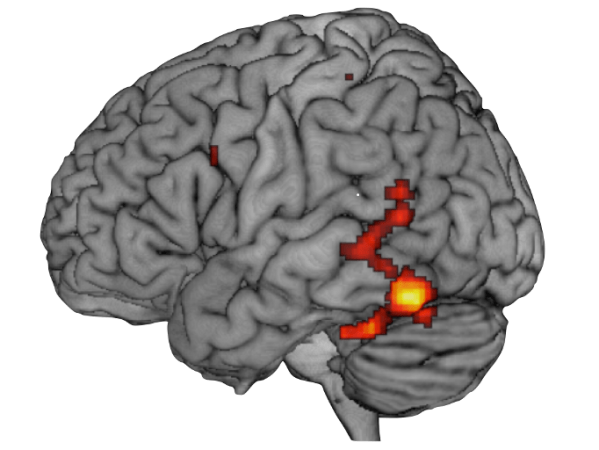
How does the brain generate the phantom ringing sound of tinnitus?
Falling back into old habits? Stress could be to blame!
New work in mice reveals that stress dials back the ability to make thoughtful decisions and shifts the brain towards an “autopilot” mode that favors habits.
A river of screens: How our digital habits are reshaping our mind
In a world dominated by instant updates, the way we engage with digital content is disrupting our focus and may be influencing how we think, behave, and process the world around us.
The neuroscience of habits
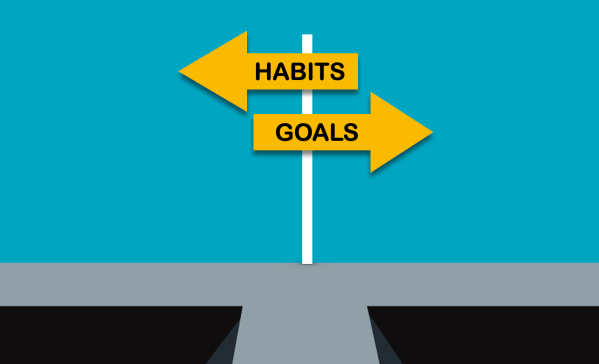
What are they, where do they come from, and how can we change them?
What motivates you? The two types of motivation
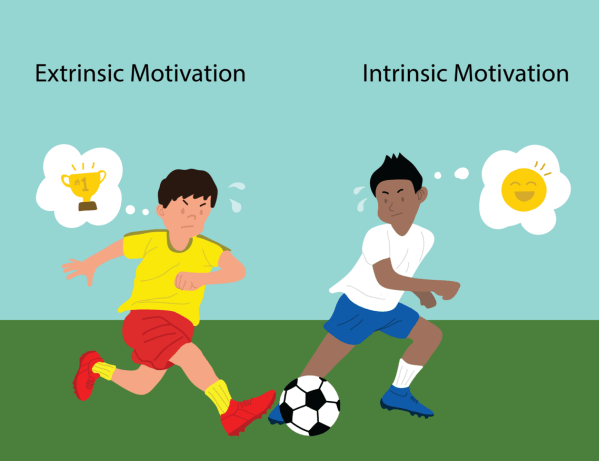
We all have different sources of motivation for doing what we do. But did you know that the concept of motivation itself isn’t just one thing? Some motivation comes from within, and some from without.
2024 Neuroscience Year in Review
Our writers share what got them excited about neuroscience in 2024.
Under the influence: The mechanics of brainwashing
How can the brain be manipulated into adopting new beliefs?
From the brain’s view: Surviving a multitasking world
Sometimes it feels like a hundred different things require our attention at a given moment. Why is it hard to focus on many things at once and how much multitasking can our brains really manage?
Magnetic manipulation of brain activity to treat mental illness
About 1 in 5 adults in the United States are coping with the symptoms of a mental health disorder. Here, we discuss a clinical technique called TMS that uses magnets to directly alter brain activity and discuss how it’s helping us learn more about some mental illnesses.
Under the weather
Whether you’re a snowbird or a beachcomber, your mood might change with the weather.
What does “brain activity” actually mean?
“Brain activity” is thought to underlie everything we do – from walking to thinking to eating. But what actually is brain activity and where does it come from?
When sparks fly!
The skinny on three current controversies in neuroscience and why researchers sometimes disagree
Making a case for case studies in neuroscience
Some of the most important things we’ve learned about the brain have started with case studies of single patients. Read about the case studies that have defined our understanding of the neural basis of language, personality, and fear.
Reaching the boiling point
How do groups of neurons in your brain determine the intensity of your emotions?
If you want to diagnose mental illness, study… the body?
Not quite. But new research is highlighting how poor mental health often goes hand-in-hand with poor physical health, and how the two relate.
Bee-lieving in the brain
Bees have brains just the size of poppy seeds, yet they can do so much! These black and yellow critters are famous for being nature’s hardest workers, but they are also expert navigators, communicators, and decision-makers. So, maybe something far smaller can help us think bigger about what the brain is capable of.
Patient H.M.: Neuroscience’s favorite subject
He was neither a researcher nor a doctor, but Henry Molaison – better known as Patient H.M. – is one of the most famous people in the history of neuroscience.
What happens when the brain is out of a job?
Learn about the brain's amazing ability to repurpose itself when it loses its sight. Could this be the key to treating patients suffering from strokes or PTSD?