Neuroscientists can now record from many parts of the mouse brain at once, helping us see how millions of neurons work together to guide behavior.
Recording everything everywhere all at once
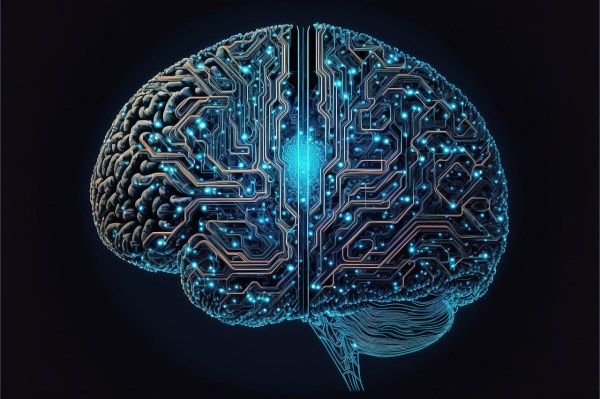
Breaking down the brain for everyone to understand
Neuroscientists can now record from many parts of the mouse brain at once, helping us see how millions of neurons work together to guide behavior.
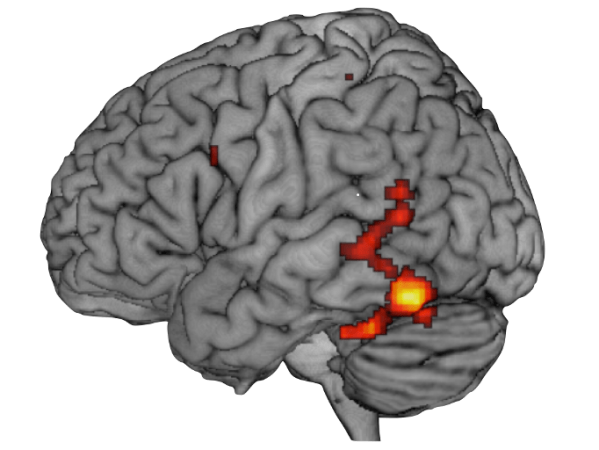
Even though it is a myth that people are either “left-brained” or “right-brained,” certain complex functions, such as spoken language, are primarily found on one side of the human brain. How and why does the brain pick a side for these functions?

Humans are the only species that display tearful, emotional crying. Why have we evolved this behavior? Does it benefit us? And if so, why don’t we cry more?

Studying bats helps us understand how the brain processes and sorts sounds into categories.

Having a friendly or bothersome neighbor can significantly affect how peacefully you go about your everyday life. The cells in your nervous system are no different, and what they can do for you ultimately depends on who lives next door.

Whether punk rock or Puccini, everyone has music that they love. Why is music so compelling? And what’s going on in your brain when you’re jamming to your favorite song?
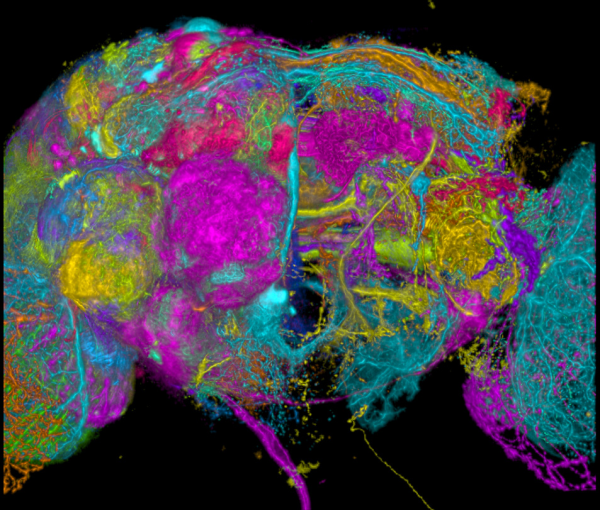
What if we had Google Maps for the brain? Scientists recently charted every connection in a fruit fly’s brain. Six months later, the discoveries are just getting started!
How can the brain be manipulated into adopting new beliefs?
Sometimes it feels like a hundred different things require our attention at a given moment. Why is it hard to focus on many things at once and how much multitasking can our brains really manage?

Despite centuries of scientific advancements, the inner workings of much of the brain remained a complete mystery. A groundbreaking set of experiments changed this.

The bacteria in your gut may be helping move more than your bowels– they can actually improve your overall health! Read about how a healthy balance of microbes in the gut can improve motivation to exercise
 PennNeuroKnow