Having a friendly or bothersome neighbor can significantly affect how peacefully you go about your everyday life. The cells in your nervous system are no different, and what they can do for you ultimately depends on who lives next door.
Basic science, exceptional outcomes: A look at how non-clinical research is an important investment into human health
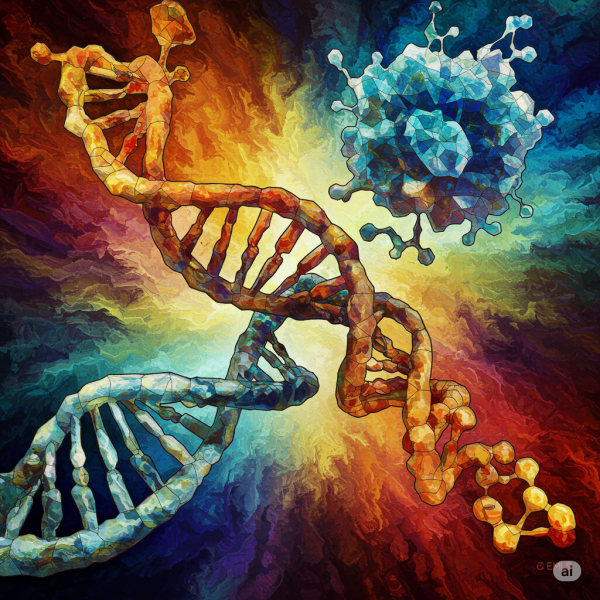
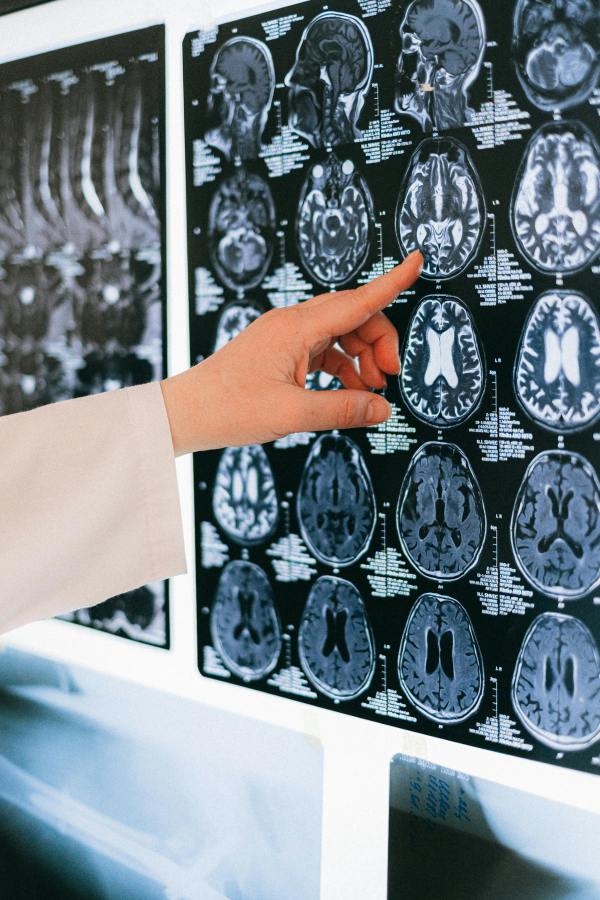
Basic research, intended to better our understanding of the world rather than directly investigate diseases, has laid the groundwork for some of the most important developments in modern medicine. Here, we dive into two examples of how basic research findings have revolutionized our treatment approaches for genetic diseases and neurological diagnoses.
Music on the brain
Whether punk rock or Puccini, everyone has music that they love. Why is music so compelling? And what’s going on in your brain when you’re jamming to your favorite song?
A hung jury on hangovers
Hangovers have been around as long as alcohol. But how much do we really know about them?
Neuroscientists are building Google Maps for the fly brain
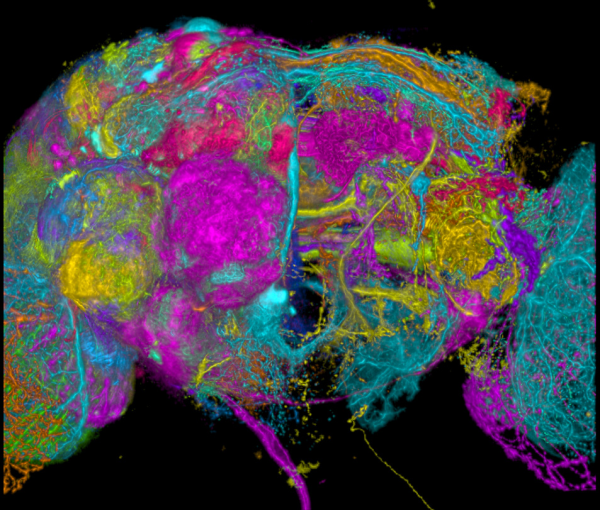
What if we had Google Maps for the brain? Scientists recently charted every connection in a fruit fly’s brain. Six months later, the discoveries are just getting started!
Blood Mary, Bloody Mary, Bloody Mary: The science of fetal alcohol spectrum disorders
Why is it so dangerous to drink while pregnant?
How is biomedical research funded in the United States?
The US has been a global leader in funding biomedical research. Learn about how that process works and why it’s so important that we maintain our commitment to funding science.
How cochlear implants create sound for the hard of hearing
The cochlear implant is a tool for restoring hearing to those with hearing loss. Dive into the inner workings of this technology and learn how it uses electrical stimulation to send sound signals to the brain!
Do you hear what I hear? That ringing sound?
How does the brain generate the phantom ringing sound of tinnitus?
Transcranial focused ultrasound: A new way to stimulate the brain
This exciting new technique uses ultrasonic sound waves to activate brain areas in animals and humans and shows great potential as a new therapy!
Falling back into old habits? Stress could be to blame!
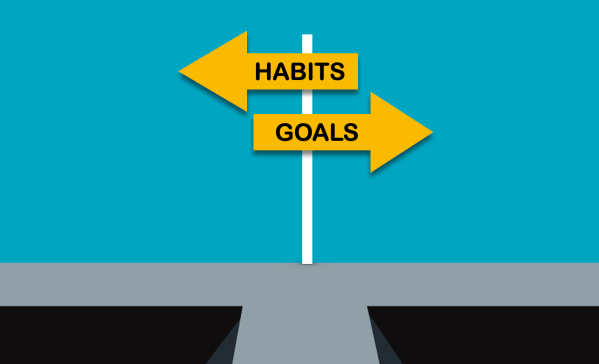
New work in mice reveals that stress dials back the ability to make thoughtful decisions and shifts the brain towards an “autopilot” mode that favors habits.
The Jura-sick world of dinosaur brains
We may never get to see a living dinosaur brain in action, but some scientists still spend their lives studying them. Dive into the jura-sick world of dinosaur brains and learn just how they do this.
The UPS system inside your neurons
The transport and delivery of goods is essential for ourselves and our community. Did you know that neurons have a delivery system too? Dive into axonal transport, your neurons’ method of transporting cargo.
The brain on menopause
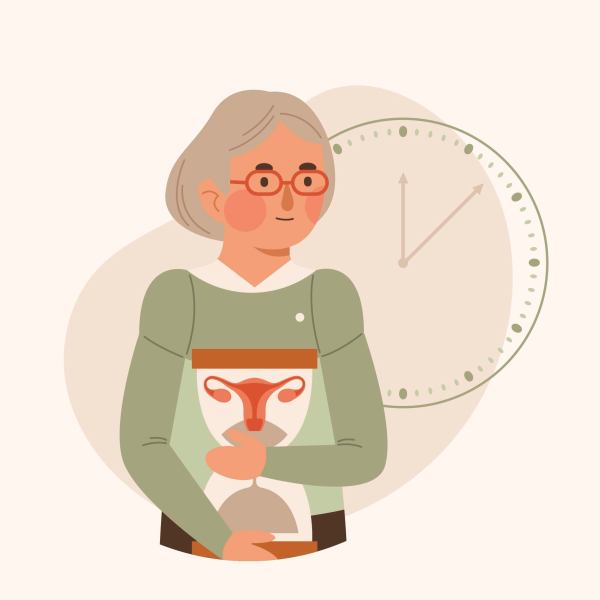
Pushing back the stigma to uncover what really happens in the brain during and after menopause.
A river of screens: How our digital habits are reshaping our mind
In a world dominated by instant updates, the way we engage with digital content is disrupting our focus and may be influencing how we think, behave, and process the world around us.
Overconsumption core: how our brains drive us to consume
Influencer hauls and advertising on social media are pushing us to consume more than ever before. Breaking down the science behind overconsumption can help us be more aware of these habits and slow down our spending.
The neuroscience of habits
What are they, where do they come from, and how can we change them?
Fighting brain cancer, one cell at a time
Glioblastoma, an aggressive and highly lethal cancer, produces cells that rapidly invade brain tissue, making it particularly difficult to treat. A new system for testing this cancerous cell invasion is an exciting breakthrough that may help discover new treatment options.
What motivates you? The two types of motivation
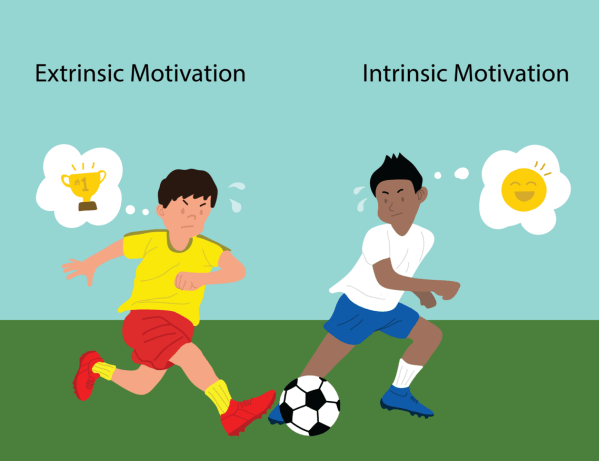
We all have different sources of motivation for doing what we do. But did you know that the concept of motivation itself isn’t just one thing? Some motivation comes from within, and some from without.
Bacteria in the brain: Friend, foe or figment?
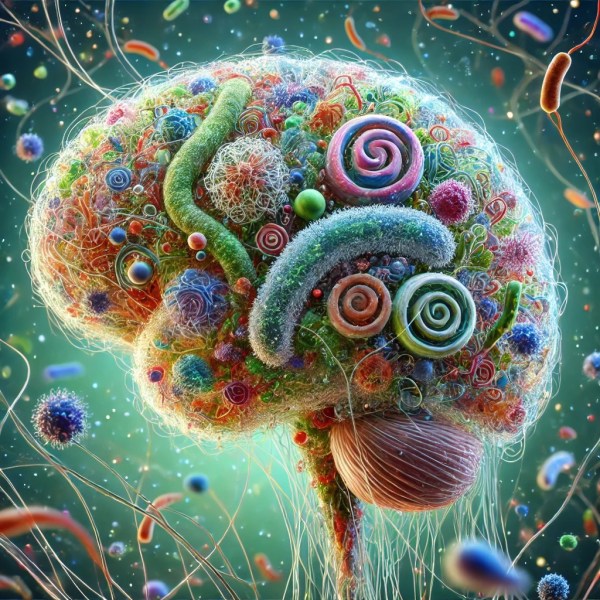
Does the brain, like the gut, have a microbiome?
2024 Neuroscience Year in Review
Our writers share what got them excited about neuroscience in 2024.
Under the influence: The mechanics of brainwashing
How can the brain be manipulated into adopting new beliefs?
Queen of the hill
Exploring recent advances in neuroscience that have taught us how ants brains help build their societies
From the brain’s view: Surviving a multitasking world
Sometimes it feels like a hundred different things require our attention at a given moment. Why is it hard to focus on many things at once and how much multitasking can our brains really manage?
Magnetic manipulation of brain activity to treat mental illness
About 1 in 5 adults in the United States are coping with the symptoms of a mental health disorder. Here, we discuss a clinical technique called TMS that uses magnets to directly alter brain activity and discuss how it’s helping us learn more about some mental illnesses.
Under the weather
Whether you’re a snowbird or a beachcomber, your mood might change with the weather.
Psychological Biases in Voting
Last week, Americans had many issues to consider when casting their vote. Recent research suggests a variety of psychological factors may have influenced those decisions beyond the candidates’ policy stances.
When worms invade: Exploring a common parasite and its role in epilepsy
Food-borne parasites can invade the body and even the brain. Once they’re in, they can even lead to neurological disorders like epilepsy. Come read about the neuroscience of a condition known as neurocysticercosis.
Patient S.M.: Neuroscience’s most fearless participant
From creepy-crawlies to horror films, S.M. takes them all in stride. For almost 35 years, she has been helping neuroscientists understand why.
Wildfire in the brain: What has neuroscience learned from studying epilepsy?
Your brain fires billions of electrical signals every second, but when they get out of hand, it can lead to devastating seizures. Learn how the creation and use of treatments for epilepsy have unlocked some of the brain’s secrets.