September 30th, 2025
Written by: Stephen Wisser
Even those of us who are young know that as we age, our ability to find the right words and remember events gets worse as part of a general phenomenon known as cognitive decline. A few weeks ago I was shocked when a study was published that found artificial sweeteners were linked to speeding up this natural decline1. This study, which received national news coverage, looked at almost 13,000 subjects over an eight year period and tracked changes in their mental performance and their self-reported consumption of artificial sweeteners. They found that people who consumed the highest amounts of artificial sweetener, as little as just one diet soda a day, had a faster cognitive decline compared to those who consumed less sweetener1. It’s important to note that this was not a scientifically controlled experiment, where different groups of people would have been assigned a specific amount of sweetener to eat, so we can’t say that artificial sweeteners cause a faster decline. But it does give reason to investigate this relationship further. Five years ago, a previous post on this blog explored artificial sweeteners in the context of weight gain and how calories are turned into energy, so with this new study, it seems like a good time to revisit artificial sweeteners. This time we’ll focus on what artificial sweeteners might be doing to lead to the faster cognitive decline reported in the recent eight-year study.
What does real sugar do?
Before we get into some of the hard science surrounding artificial sweeteners, let’s briefly discuss what they were designed to replace: real sugar. For those interested in a deeper dive on the subject, I’d recommend checking out the blog’s previous post. But for this discussion, I’ll quickly summarize what you need to know here. Sugars are found in all types of food and are a source of energy or calories. When you eat sugars two main steps occur: first, the sugars activate taste buds in your mouth, which are receptors that send signals to the brain that give you the experience or taste of sweetness. Second, these sugars are broken down allowing your body to use or store them as energy in a process called metabolism. All the chemical and biological processes that make up what we call metabolism occur in a delicate balance of either storing sugars or making sugars available to use as energy. When this balance is disrupted, for example by eating too much sugar, metabolic diseases like obesity and type 2 diabetes can occur. Metabolic diseases like type 2 diabetes can then lead to a whole host of other issues like a faster cognitive decline2. Indeed, many brain imaging experiments on people who have metabolic diseases have found alterations in several brain regions responsible for memory3, perhaps explaining why diabetics often experience faster cognitive decline. A similar thing occurs in animals, where rats fed a high sugar diet develop metabolic abnormalities similar to diabetes, which causes their memory to be impaired4. So sometimes, excess natural sugars themselves can indirectly lead to a faster cognitive decline by disturbing the body’s natural energy processing machinery: metabolism.
Artificial sweeteners, chemicals like aspartame, sucralose, and saccharin (brand names Equal, Splenda, Sweet and Low, respectively), on the other hand only engage the first step that sugar does: bind to your taste receptors to give you the perception of sweetness. Unlike real sugar, artificial sweeteners don’t have any intrinsic energy or calories, so they aren’t metabolized by the body. In other words, artificial sweeteners give the perception of sweetness (step 1) without any calories that need to be metabolized (step 2). Now that we know the difference between real and artificial sweeteners, let’s look at how artificial sweeteners could be leading to a faster cognitive decline.
Leading Theories
The jury is still out on how artificial sweeteners might accelerate cognitive decline, but we’ll discuss three potential mechanisms that have been investigated in animals. Interestingly, the first potential mechanism is the same as what excess sugar can do: disrupt normal metabolism. Even though artificial sweeteners aren’t metabolized themselves, experiments show that they can still cause problems with the general machinery of metabolism, just like too much sugar can. In one experiment, researchers gave the artificial sweetener acesulfame K (brand name Sweet One) to mice for 40 weeks and found that the sweetener inhibited the first step in metabolism that normally allows natural sugar to be broken down5. The scientists also found that this imbalance in normal metabolism led to problems with short term memory5, suggesting that the sweetener actually caused these memory problems.
This experiment also proposed a second mechanism by which artificial sweeteners could cause cognitive decline: abnormal plasticity. Plasticity is the process by which neurons change their connections, which is especially important for learning and memory in a brain region called the hippocampus. Scientists found that acesulfame K also caused a disruption in normal plasticity processes in neurons in the hippocampus5, which could explain the memory issues these mice experienced. Although it’s difficult to say if metabolism disruption, altered plasticity, or some combination of both is really causing the memory problems, this experiment suggests two mechanisms that could occur similarly in humans.
A third theory that’s been proposed is the buildup of molecules called reactive oxygen species (ROS). These molecules damage neurons and wreak havoc on the brain, eventually leading to cognitive impairment and diseases like Alzheimer’s. When scientists give artificial sweeteners like aspartame, saccharin, and sucralose to rats in their drinking water, they find that the levels of these damaging reactive oxygen species is increased compared to rats that drank normal water6. As a result of the ROS, the researchers also found aspartame caused neuron death in the hippocampus, which might explain why these rats had difficulty learning6.
Sweet Receptors: More than Just the Sensation of Sweet
Through the three candidate mechanisms discussed above, perhaps we could say we’ve answered our initial question of how artificial sweeteners could be leading to faster cognitive decline. But what might be causing these three mechanisms to start in the first place? Since you’ll remember that artificial sweeteners only activate the sweet receptors, this must mean activating those receptors is a key event in starting these three other mechanisms, since that’s all they do! This sweet receptor activation might also explain why natural sugars can lead to faster cognitive decline. We’ve already discussed how too much sugar can lead to metabolic imbalances,which can then lead to faster decline. But scientists have also found that a high natural sugar diet causes problems with plasticity in the hippocampus which disrupts the ability of animals to learn and remember4. Additionally, scientists found an increase in ROS in mice that received regular sugar water for 7 months, which caused their brains to develop some “pre-Alzheimer’s” features7. So even though we’ve assumed sugar might lead to accelerated cognitive decline by way of how it is metabolized in the body, the fact that it acts so similar to artificial sweeteners, which only activate sweet receptors, suggests that natural sugars might also be exerting some detrimental effects through the sweet receptor.
In one fascinating study, researchers gave participants beverages that had the same amount of energy (raw calories), but different amounts of artificial sweeteners8. So, the beverages tasted different amounts of sweet even though they all had the same amount of nutrition. In theory, these beverages should be metabolically processed the same since they all have the same number of calories. However, the scientists found that the level of sweetness of the beverage actually changed how the beverage was metabolized8. This suggests that activating sweet receptors doesn’t just give the sensation of sweetness, but has other measurable biological effects that influence metabolism, which as we’ve discussed is one potential cause of cognitive decline. So, while the three mechanisms discussed in this post might be what actually contribute to a faster cognitive decline, sweet receptor activation might be the event that happens first to kick start a chain of events.
Conclusion
Artificial sweeteners were initially invented to keep the good of sugar without the bad: the joy of something sweet without all the calories, health problems, and cognitive decline. It makes sense that artificial sweeteners shouldn’t cause the same problems that real sugar does because they aren’t metabolized. But, as we’ve explored in this post, it turns out real and artificial sweeteners may operate by the same mechanisms to cause the same harmful effects of sugar. So artificial sweeteners might not have achieved the initial goal, but they did reveal something interesting: the root cause of many of these issues may lie in simply activating our sweet sensing receptors. In other words, the mere property of something tasting sweet regardless of how it is sweetened might influence what other biological events are started that lead to a faster cognitive decline. So, instead of thinking in terms of real or fake sugars, perhaps it’s time to reconsider our relationship with “sweet” and how much excess sweet stuff we consume.
References
1. Gonçalves, N.G., Martinez-Steele, E., Lotufo, P.A., Bensenor, I., Goulart, A.C., Barreto, S.M., Giatti, L., De Faria, C.P., Molina, M.D.C.B., Caramelli, P., et al. (2025). Association Between Consumption of Low- and No-Calorie Artificial Sweeteners and Cognitive Decline: An 8-Year Prospective Study. Neurology 105, e214023. https://doi.org/10.1212/WNL.0000000000214023.
2. Zheng, F., Yan, L., Yang, Z., Zhong, B., and Xie, W. (2018). HbA1c, diabetes and cognitive decline: the English Longitudinal Study of Ageing. Diabetologia 61, 839–848. https://doi.org/10.1007/s00125-017-4541-7.
3. Cui, Y., Tang, T., Lu, C., and Ju, S. (2022). Insulin Resistance and Cognitive Impairment: Evidence From Neuroimaging. Magnetic Resonance Imaging 56, 1621–1649. https://doi.org/10.1002/jmri.28358.
4. Stranahan, A.M., Norman, E.D., Lee, K., Cutler, R.G., Telljohann, R.S., Egan, J.M., and Mattson, M.P. (2008). Diet‐induced insulin resistance impairs hippocampal synaptic plasticity and cognition in middle‐aged rats. Hippocampus 18, 1085–1088. https://doi.org/10.1002/hipo.20470.
5. Cong, W., Wang, R., Cai, H., Daimon, C.M., Scheibye-Knudsen, M., Bohr, V.A., Turkin, R., Wood, W.H., Becker, K.G., Moaddel, R., et al. (2013). Long-Term Artificial Sweetener Acesulfame Potassium Treatment Alters Neurometabolic Functions in C57BL/6J Mice. PLoS ONE 8, e70257. https://doi.org/10.1371/journal.pone.0070257.
6. Erbaş, O., Erdoğan, M.A., Khalilnezhad, A., Solmaz, V., Gürkan, F.T., Yiğittürk, G., Eroglu, H.A., and Taskiran, D. (2018). Evaluation of long‐term effects of artificial sweeteners on rat brain: a biochemical, behavioral, and histological study. J Biochem & Molecular Tox 32, e22053. https://doi.org/10.1002/jbt.22053.
7. Carvalho, C., Cardoso, S., Correia, S.C., Santos, R.X., Santos, M.S., Baldeiras, I., Oliveira, C.R., and Moreira, P.I. (2012). Metabolic Alterations Induced by Sucrose Intake and Alzheimer’s Disease Promote Similar Brain Mitochondrial Abnormalities. Diabetes 61, 1234–1242. https://doi.org/10.2337/db11-1186.
8. Veldhuizen, M.G., Babbs, R.K., Patel, B., Fobbs, W., Kroemer, N.B., Garcia, E., Yeomans, M.R., and Small, D.M. (2017). Integration of Sweet Taste and Metabolism Determines Carbohydrate Reward. Current Biology 27, 2476-2485.e6. https://doi.org/10.1016/j.cub.2017.07.018.
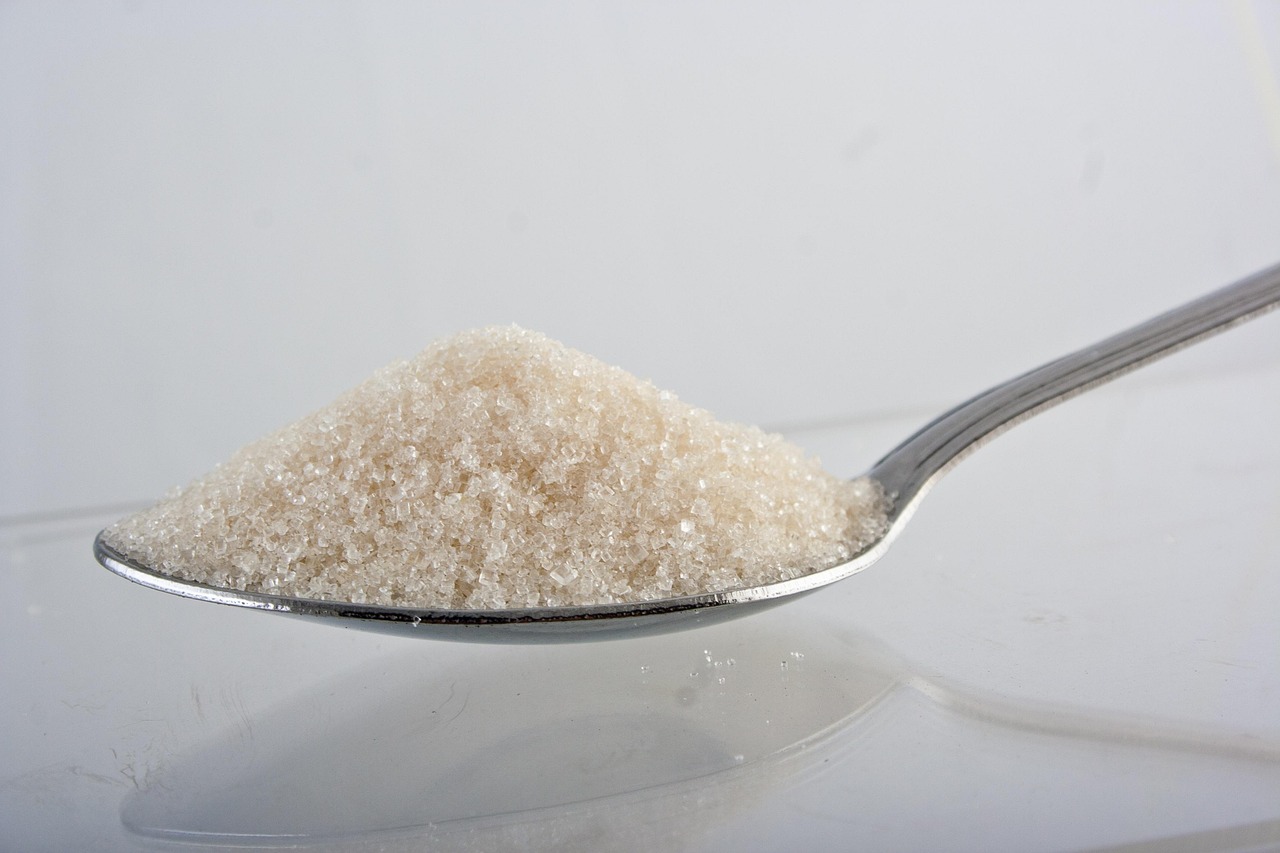
Cover image by designfoto from Pixabay
 PennNeuroKnow
Leave a comment