July 25th, 2023
Written by: Serena Chen
Archaeological evidence indicates that the first animals were domesticated by humans over 30,000 years ago1. Now, 66% of American households have taken in pets as part of their families, with the most common being dogs and cats2. But how much do we know about our furry friends? There is no denying that many of us believe the bond we share with our pets is special. They eat, sleep, and play with us. They welcome us home at the end of each day. Sometimes, they even accompany us through our highest and lowest moments in life. But what do they really think about all of this? What goes through their minds as they watch us go through our daily lives? Do they view friendship and companionship the same way as we do? Scientists believe we are close to finding an answer.
Understanding and perceiving emotion
Have you ever had a bad day and it seemed like somehow, your furry friend knew just how you were feeling? It is quite possible that this was true. Research has shown that dogs tend to watch and observe human faces, which contain important clues regarding our decision making and emotions3. Scientists demonstrated this by training a group of dogs to select, by touching their noses to, images of a person’s face that were emotional (happy or angry) over images of the same person’s face that were expressionless. Following this, the dogs were presented with images of a new person’s face. Despite never seeing that person before, the dogs were still able to distinguish and select which faces showed emotion4. This indicated that dogs have the capability to identify emotion on human faces and can remember what emotion looks like, even when seeing someone new.
Dogs can also usually tell when their caregivers are directly addressing them, which they do through eye contact and by following their caregiver’s gaze3. In one study, dogs were presented with sausages, but instructed by their caregivers not to eat them. Many of these dogs obeyed when being watched by their caregiver, but proceeded to take the sausages when their caregivers turned away or diverted their attention elsewhere5. This is like The Marshmallow Test, when parents left their kids with a marshmallow and told them that if they waited to eat it, they would be given two marshmallows when the parents got back6. But even with this reward, many children struggled to wait as soon as their parents left them alone. It appears that like these kids, dogs can also use eye contact, gaze direction, and body orientation as cues to judge people’s attentional states, and they can quickly figure out what features are relevant to them when making their own decisions5.
Now, what about cats? Do they understand emotions too? Or are they truly little psychopaths aloof and detached from any warm feelings? If your cat acts like this, it might be a relief to know that cats, like dogs, are highly sensitive to human emotions and communicative signals. One study found that cats may even change their behavior based on the intensity of the emotions they perceive7. In this study, cats showed a higher stress response when humans made angry noises compared to happy noises. This stress response is similar to how they perceive hissing and purring, respectively, within their own species7. These results suggest that cats have strong social skills that allow them to understand human emotions and what they mean in relation to their own communicative signals, a key factor in the human-cat bond.
Love and companionship
So, do our pets really love us? Or do they just hang around us because of what we provide them? Scientists have been investigating this bond through the study of oxytocin, a natural hormone linked to positive emotions. Oxytocin is involved in many social bonds, from the connection between parents and their children to friendships8. A number of studies have shown that when a positive interaction between humans and dogs occurs (such as when playing), both parties experience a surge in oxytocin8. Cats might also produce oxytocin when seeking social interactions with humans9, but this has been studied to a lesser extent. Additionally, another experiment found that free-ranging dogs are more willing to accept social contact from an initially unfamiliar person who tried to build a relationship with them through petting rather than through feeding. This suggested that these dogs tend to build trust based on physical affection and social reward, instead of food10.
At the end of the day, pets are unable to verbalize to us how they feel, so it is still unknown whether dogs and cats can feel love as an emotion. However, it is clear that they do view human interactions as important and have developed incredible capabilities of understanding human emotions so that we may communicate with them. It also appears that they do form attachment bonds with their caregivers and enjoy positive interactions and affection. So, the next time your furry friend is hanging around you, they might not be seeking anything more than just your attention and company. While we may not know exactly how they are feeling, we can make sure to enjoy these moments and make them as special as we can.
References
- Hunter P. The genetics of domestication: Research into the domestication of livestock and companion animals sheds light both on their “evolution” and human history. EMBO Rep. 2018 Feb;19(2):201-205. doi: 10.15252/embr.201745664. Epub 2018 Jan 15. PMID: 29335247; PMCID: PMC5797965.
- Megna, M and Tilford, A. (June 21, 2023). Pet Ownership Statistics. Forbes Advisor. https://www.forbes.com/advisor/pet-insurance/pet-ownership-statistics/
- Benz-Schwarzburg J, Monsó S, Huber L. How Dogs Perceive Humans and How Humans Should Treat Their Pet Dogs: Linking Cognition With Ethics. Front Psychol. 2020 Dec 16;11:584037. doi: 10.3389/fpsyg.2020.584037. PMID: 33391102; PMCID: PMC7772310.
- Müller CA, Schmitt K, Barber AL, Huber L. Dogs can discriminate emotional expressions of human faces. Curr Biol. 2015 Mar 2;25(5):601-5. doi: 10.1016/j.cub.2014.12.055. Epub 2015 Feb 12. PMID: 25683806.
- Schwab C, Huber L. Obey or not obey? Dogs (Canis familiaris) behave differently in response to attentional states of their owners. J Comp Psychol. 2006 Aug;120(3):169-75. doi: 10.1037/0735-7036.120.3.169. PMID: 16893253.
- Mischel, W. (2014). The Marshmallow Test: Mastering self-control. Little, Brown and Co.
- Quaranta A, d’Ingeo S, Amoruso R, Siniscalchi M. Emotion Recognition in Cats. Animals (Basel). 2020 Jun 28;10(7):1107. doi: 10.3390/ani10071107. PMID: 32605256; PMCID: PMC7401521.
- Marshall-Pescini S, Schaebs FS, Gaugg A, Meinert A, Deschner T, Range F. The Role of Oxytocin in the Dog-Owner Relationship. Animals (Basel). 2019 Oct 12;9(10):792. doi: 10.3390/ani9100792. PMID: 31614747; PMCID: PMC6826447.
- Nagasawa T, Ohta M, Uchiyama H. The Urinary Hormonal State of Cats Associated With Social Interaction With Humans. Front Vet Sci. 2021 Jul 26;8:680843. doi: 10.3389/fvets.2021.680843. PMID: 34381833; PMCID: PMC8350111.
- Bhattacharjee D, Sau S, Das J, Bhadra A. Free-ranging dogs prefer petting over food in repeated interactions with unfamiliar humans. J Exp Biol. 2017 Dec 15;220(Pt 24):4654-4660. doi: 10.1242/jeb.166371. Epub 2017 Oct 16. PMID: 29038310.
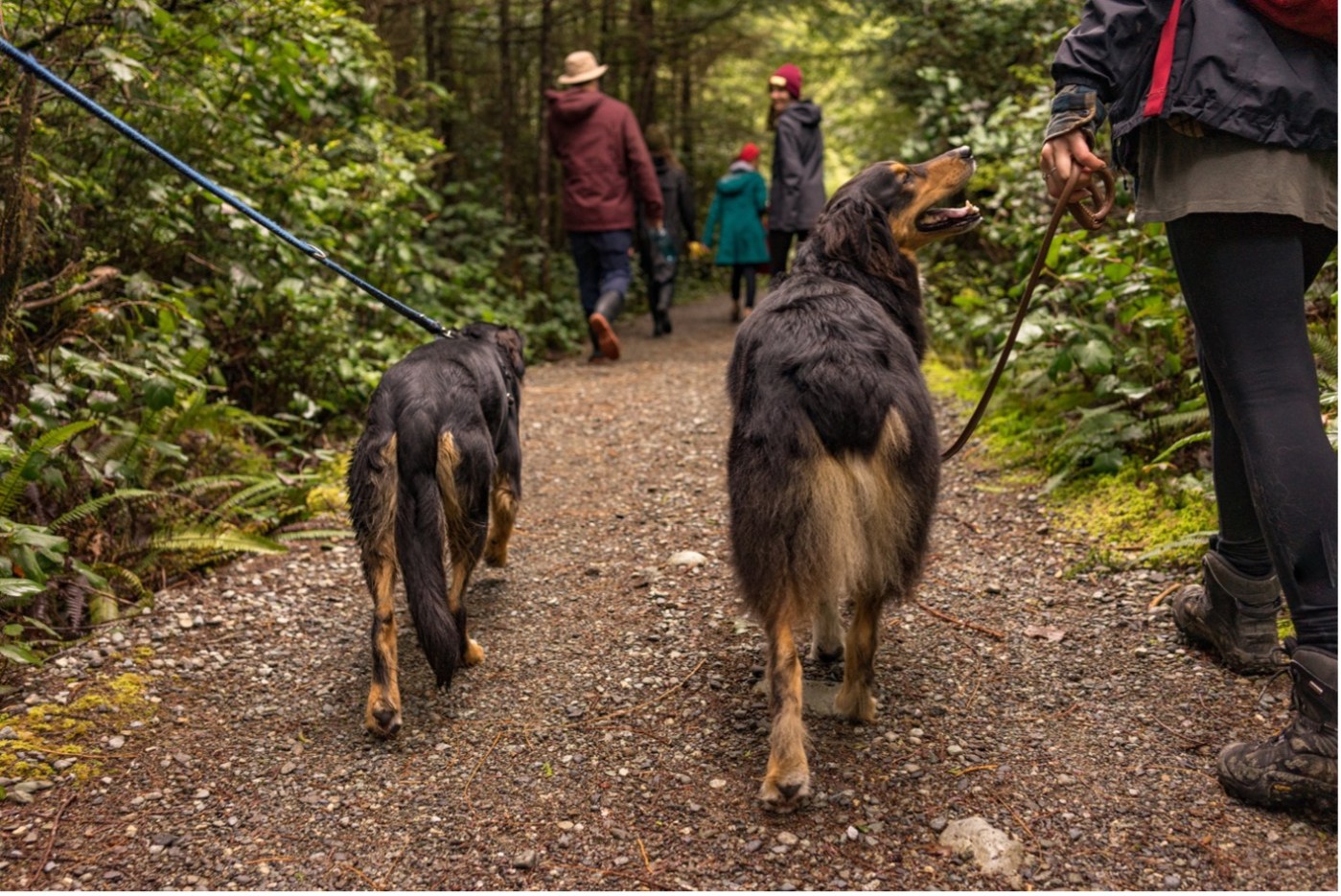
Cover photo by Dakota Monk on Burst.
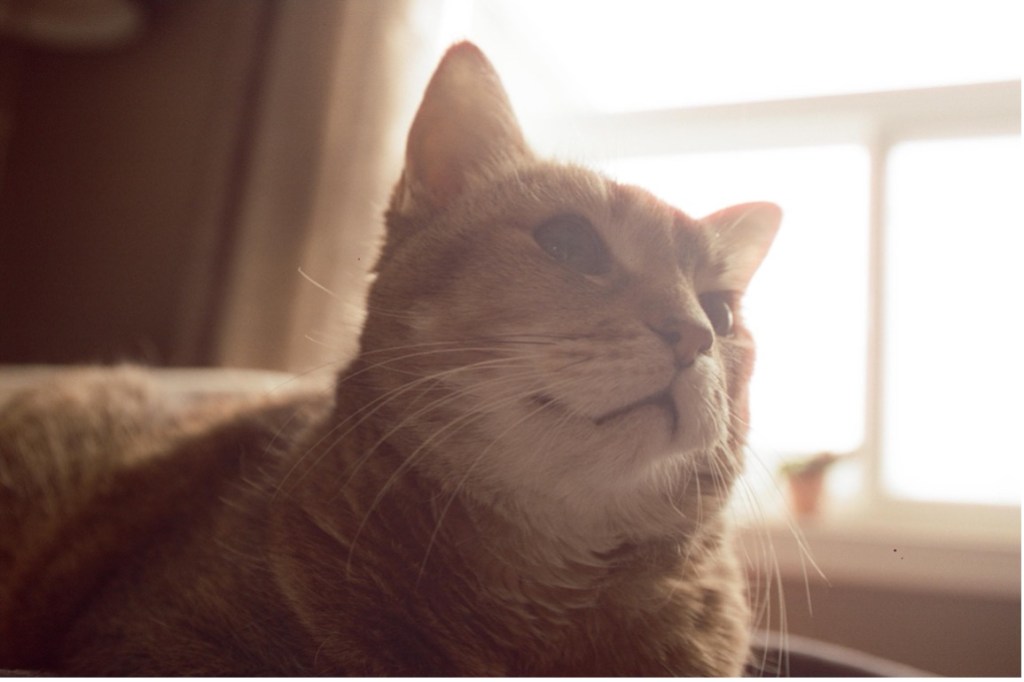
Cat photo by Andrew Apperley on Burst.
 PennNeuroKnow