
November 17th, 2026
Written by Carris Borland
Cells are the awesome basic units of life, working like miniature factories to perform difficult, but wonderful energy-making processes just to keep us alive, breathing, and thinking. But just like a real-world factory, this intense production comes with a by-product.
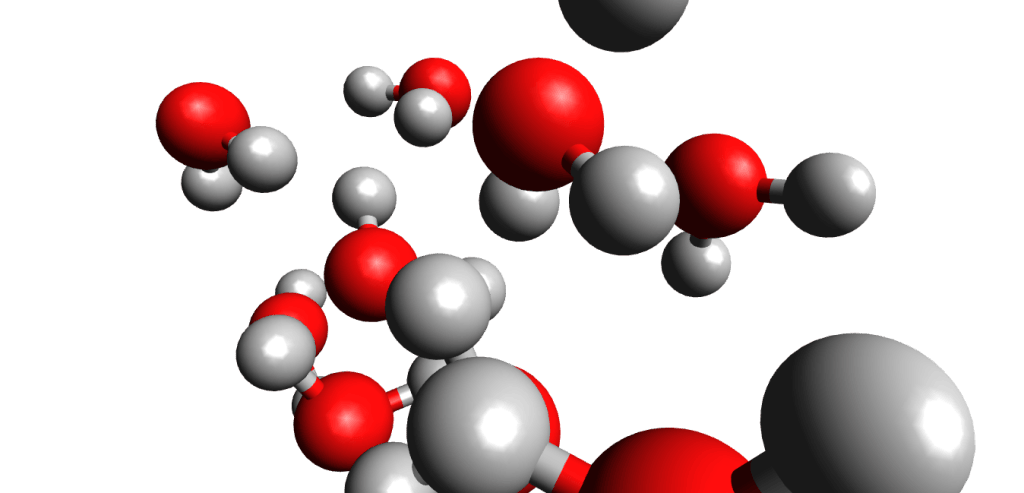
As your cells burn fuel to perform complex life-supporting processes, they inevitably produce molecules called free radicals. Let’s unpack what free radicals are by first understanding how they are made. Think of your cell as a fuel factory following a “production pipeline”. In the first line of energy production, our cells extract these high-energy molecules called electrons from the food we eat. In the next step of the process, these electrons from the food are given to the cell’s mitochondria, that uses the electrons to create fuel for the cell. In the last step of the production line, the electrons get handed off to the oxygen you breathe, turning into harmless water. Sometimes during the process, electrons leak out from the mitochondria and is given to a nearby oxygen before the end of the energy-making process, creating a high-energy, unstable version of oxygen1,2,7. This unstable form of oxygen is called a free radical. Free radicals are dangerous to the cells because these molecules go around and destroy the cell’s membranes, proteins, and DNA. Having too many free radicals puts the cell in a state called oxidative stress1,5,7. Oxidative stress simply means that the cell is being “stressed” by having too many free radicals build-up overtime and not enough defenses against it. Think of oxidative stress like rust inside a car. A little wear-and-tear is normal, but if the rust spreads unchecked, it eventually destroys the engine until the car stops running completely. There are many ways in which our cells can keep oxidative stress in check, but neurons have unique qualities that make them particularly vulnerable to free radical destruction. This article will explore why neurons are uniquely vulnerable to oxidative stress and how this build-up can lead to disease.
Reason #1: your neurons don’t multiply
Unlike other cells, neurons cannot multiply. Once your neurons are formed, they need to live as long as you do. How does this unique fact about neurons explain why they are more susceptible to free radical destruction? In a situation where there are too many free radicals in the cell, the cells can simply multiply to replace dead or damaged ones, but neurons cannot do this. Therefore, your neurons go through life-long oxidative damage, and as the neuron ages, it becomes less efficient at preventing free radical build-up. This eventually causes neurons to die, and once they die, that’s it, there is no replacement!
Reason #2: your brain consumes a lot of oxygen to meet massive energy demands
Our bodies need oxygen to survive, and we get oxygen from the air we breathe. Free radicals are literally made from the exact same oxygen you breathe in to keep your brain alive. Your neurons are constantly firing action potentials and need to generate massive amounts of energy to do so1,7. This means that your neurons consume large amounts of oxygen to make energy4,7. Normally, at the end of process, oxygen accepts the electrons and turns into harmless water. However, because your neurons are constantly generating energy at a high rate, the instances where electrons slip out of the mitochondria too early increase. The electrons then collide with oxygen, forming free radicals at a higher pace.
Reason #3: your neurons don’t have as many antioxidants as other cells
You’ve probably heard that eating certain foods, such as berries, is good for you because they are “rich in antioxidants” (Figure 1). Simply put, antioxidants are molecules that act like a sponge, soaking up free radicals to prevent them from running rampant in the cells. Compared to other cells, neurons have low amounts of antioxidants1,2,3,4,7. The gradual build-up of free radicals in the brain coupled with lower levels of the antioxidants that can combat them creates the perfect storm for destruction from oxidative stress.

Figure 1. Antioxidants, which are molecules that protect against free radicals, are naturally found in berries.
How does free radical build-up lead to disease?
Oxidative stress is reported to be a crucial contributor in the progression of many neurodegenerative diseases. Free radicals damage the neuron by disrupting important proteins that keep the neuron healthy and functional. For example, in diseases like Parkinson’s or Alzheimer’s, free radicals distort and damage the shape of neuronal proteins. These deformed proteins easily twist into sticky, toxic clumps that further stress the cell, generating more free radicals5,6,7.
What can we do to protect our vulnerable brains?
Although free radical production is an inevitable by-product of our working cells, there are things we can do to help protect our brains from free radicals. Incorporating simple habits such as eating antioxidant-rich foods is a simple thing you can do1,2,3,4. Furthermore, staying away from harmful substances such as smoking also helps. Research shows that the toxins in cigarette smoke contribute to oxidative stress1,8.
Free radicals are another reminder of how our brains are delicate systems that are vulnerable to stressors. Although delicate, they are beautifully complex little machines that allow us to experience the world!
References
- Pham-Huy, L. A., He, H., & Pham-Huy, C. (2008). Free radicals, antioxidants in disease and health. International journal of biomedical science : IJBS, 4(2), 89–96.
- Valko, M., Leibfritz, D., Moncol, J., Cronin, M. T., Mazur, M., & Telser, J. (2007). Free radicals and antioxidants in normal physiological functions and human disease. The international journal of biochemistry & cell biology, 39(1), 44–84. https://doi.org/10.1016/j.biocel.2006.07.001
- Young, I. S., & Woodside, J. V. (2001). Antioxidants in health and disease. Journal of clinical pathology, 54(3), 176–186. https://doi.org/10.1136/jcp.54.3.176
- Lee, K. H., Cha, M., & Lee, B. H. (2020). Neuroprotective Effect of Antioxidants in the Brain. International journal of molecular sciences, 21(19), 7152. https://doi.org/10.3390/ijms21197152
- Cheignon, C., Tomas, M., Bonnefont-Rousselot, D., Faller, P., Hureau, C., & Collin, F. (2018). Oxidative stress and the amyloid beta peptide in Alzheimer’s disease. Redox biology, 14, 450–464. https://doi.org/10.1016/j.redox.2017.10.014
- Leathem, A., Ortiz-Cerda, T., Dennis, J. M., & Witting, P. K. (2022). Evidence for Oxidative Pathways in the Pathogenesis of PD: Are Antioxidants Candidate Drugs to Ameliorate Disease Progression?. International journal of molecular sciences, 23(13), 6923. https://doi.org/10.3390/ijms23136923
- Chandimali, N., Bak, S. G., Park, E. H., Lim, H. J., Won, Y. S., Kim, E. K., Park, S. I., & Lee, S. J. (2025). Free radicals and their impact on health and antioxidant defenses: a review. Cell death discovery, 11(1), 19. https://doi.org/10.1038/s41420-024-02278-8
- Emma, R., Caruso, M., Campagna, D., Pulvirenti, R., & Li Volti, G. (2022). The Impact of Tobacco Cigarettes, Vaping Products and Tobacco Heating Products on Oxidative Stress. Antioxidants (Basel, Switzerland), 11(9), 1829. https://doi.org/10.3390/antiox11091829
Cover photo by Lizard125 from Wikimedia Commons
Figure 1 by Arnt Brandseth from Wikimedia commons
No LLMs or AI assistance were used in the creation of this post.


