
July 7th, 2026
Written by Emma Fischer
Before starting a serious climb, trekkers are warned about the dangers they’ll face atop the mountain. Extreme cold, dehydration, and increased UV radiation are among the challenges they might encounter, but their biggest worry is most likely rapidly decreasing oxygen levels.1 As the air gets thinner, meaning there are fewer air molecules in the same volume of air, and oxygen becomes scarce, breathing gets harder, and your body starts to feel the effects. But what is actually happening in your brain in these conditions? Let’s unpack how high altitude illness affects the brain, and how some populations have adapted to this extreme environment.
What is hypoxia?
High altitude illness is common among climbers, especially if the ascent from low to high altitude happens too quickly for the body to adjust to changes in oxygen intake.1 Oxygen is needed for normal cell function, and when less oxygen is available in the air, less oxygen is carried to these cells through the blood.1 Lack of sufficient oxygen in the blood leads to a condition called hypoxia, where tissues in the body are no longer able to perform their normal functions due to low oxygen levels.1 This drop in blood oxygen level has many potentially dangerous impacts on the body.2 Most cases of altitude illness are caught early since climbers are able to notice initial symptoms like headache and dizziness, and less severe cases are easily treatable with descent or supplemental oxygen.2 However, in severe cases, signs of impaired brain function begin to arise.
The brain consumes about one fifth of the body’s oxygen, which is required to produce enough energy for the brain to engage in everything from basic survival functions to higher level thinking.2 Above 2500 meters (~8200 feet), the air becomes thinner, meaning there are fewer air particles, including oxygen particles, so each breath delivers less oxygen to your blood to carry to vital organs, including the brain.2,3 As you climb to altitudes of about 4000 meters (~1300 feet), cells in the brain become increasingly starved of oxygen, and symptoms of impaired brain function start to appear.4 Here, cognitive functions such as memory and attention start to fail, and trekkers will begin having difficulty focusing or remembering information.4 Changes in behavior, ranging anywhere from headache to memory impairment, are common in climbers across the world, but does this mean that high altitude causes hypoxia in everyone?4 And if that’s the case, how do populations living in high mountain ranges across the world survive?
Adaptation and advantage at high altitudes
Despite the potential for brain injury under low-oxygen conditions, several populations all over the world have been living at elevations over 2500 meters for thousands of years. What is it about these populations that allows them to thrive in these extreme conditions? Let’s take a look at what is going on in the brain and body to allow humans to thrive in these harsh, low-oxygen conditions.
One high altitude population that has been able to survive these conditions is the Tibetan population of the Himalayas. Here, thousands of years of evolution have given Tibetan populations a biological advantage that adapted the human body and brain to extreme conditions, but how exactly did this advantage develop?5 Scientists have found various genetic, immune, and structural brain differences in these Tibetan populations that may help us understand how such populations avoid symptoms of high altitude illness. Multiple groups of researchers have found that, to compensate for the decreased oxygen levels in the blood, Tibetan individuals have increased blood flowing to the brain compared to populations living at lower altitudes.5,6 Brain imaging studies have also found a higher volume of brain cells in visual and memory-related regions of the brain, indicating high demand on these regions in Tibetans.6, 7 Processes related to navigation and memory, which rely on these regions, can be impaired during hypoxia, so it makes sense that increased blood flow and volume in these regions could provide protection to Tibetan individuals. 6, 7 Additionally, recent work has suggested that Tibetan populations show higher rates of mutations in genes that help regulate oxygen sensing and red blood cell production, which are protective against hypoxia, further providing evidence of a millenia-old evolutionary system hard at work.8
Tibetan adaptation to the high altitude environment evolved over thousands of years, yet do all high altitude populations have the same evolutionary advantage? A different high altitude population in the Chilean Andes, who have lived at high altitude for a shorter period of time, have an entirely different response to low oxygen.5, 9 In studies of these populations, researchers found that Andean populations actually had lower brain blood flow than Tibetan populations, but had higher red blood cell counts in the blood.5 Red blood cells are responsible for carrying oxygen through the body, including to the brain, so higher red blood cell count allows for more efficient transport of oxygen.10 These findings suggest independent but equally efficient protective mechanisms for these two populations.5, 9
Although the mechanisms for preventing hypoxia in these two high altitude populations arose in different ways, they both point to the incredible resilience of the human body. They also show that, despite similar results, the process behind adaptation to an environment can have more than one correct answer. However, if you’re attempting any wild treks in the near future, it might be helpful to remember that the same environment that is suitable for one person could be dangerous for the next.
References
- Center for Disease Control. (2025). High-Altitude Travel and Altitude Illness.
- McGowan, J., Thurman, J., & Huecker, M. R. (2025). Acute mountain sickness. In StatPearls [Internet]. StatPearls Publishing.
- Peacock, A. J. (1998). Oxygen at high altitude. Bmj, 317(7165), 1063-1066.
- Aboouf, M. A., Thiersch, M., Soliz, J., Gassmann, M., & Schneider Gasser, E. M. (2023). The brain at high altitude: from molecular signaling to cognitive performance. International Journal of Molecular Sciences, 24(12), 10179.
- Jansen, G. F., & Basnyat, B. (2011). Brain blood flow in Andean and Himalayan high-altitude populations: evidence of different traits for the same environmental constraint. Journal of Cerebral Blood Flow & Metabolism, 31(2), 706-714.
- Zhang, X., & Zhang, J. (2022). The human brain in a high altitude natural environment: A review. Frontiers in Human Neuroscience, 16, 915995.
- Zhang, X., Xie, W., Liu, Y., Li, M., Lin, J., Yin, W., … & Zhang, J. (2023). Brain structural and functional alterations in native Tibetans living at high altitude. Neuroscience, 520, 134-143.
- Bai, J., Li, L., Li, Y., & Zhang, L. (2022). Genetic and immune changes in Tibetan high-altitude populations contribute to biological adaptation to hypoxia. Environ Health Prev Med., 27, 39-39
- Ortiz-Prado, E., Reascos, M. S., Núñez, D. F., Pazmiño, J. C., Gallardo, M., Salazar, N., … & Izquierdo-Condoy, J. S. (2025). Detrimental Effects of Hypoxia on Cognitive Function: Adaptations, Challenges, and Resilience in Andean Populations. Journal of Racial and Ethnic Health Disparities, 12(6), 3569-3575.
- Jensen, F. B. (2009). The dual roles of red blood cells in tissue oxygen delivery: oxygen carriers and regulators of local blood flow. Journal of Experimental Biology, 212(21), 3387-3393.
No AI was used in this article.
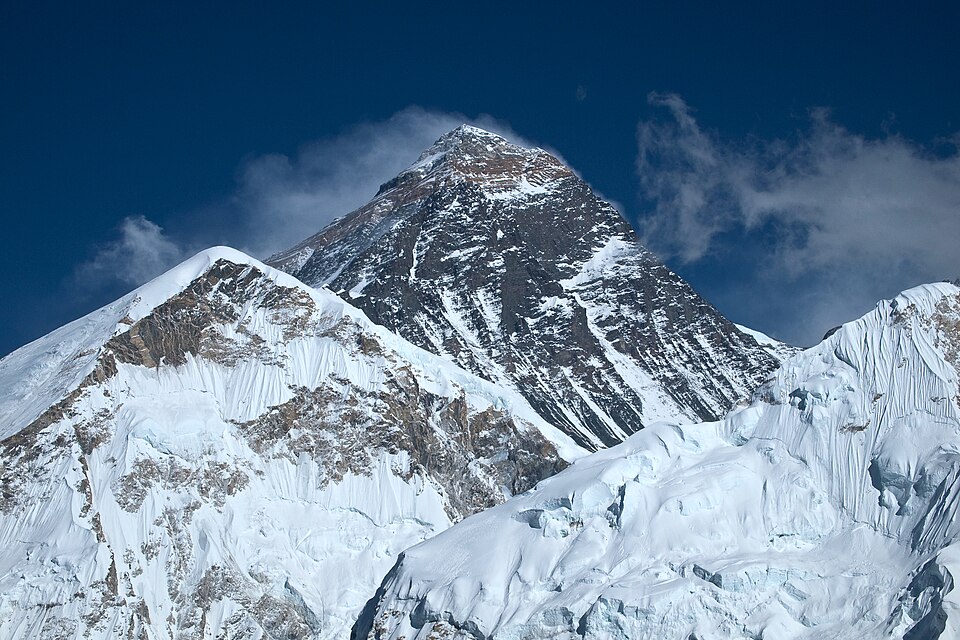
Cover photo from Vyacheslav Argenberg on Wikimedia.


